
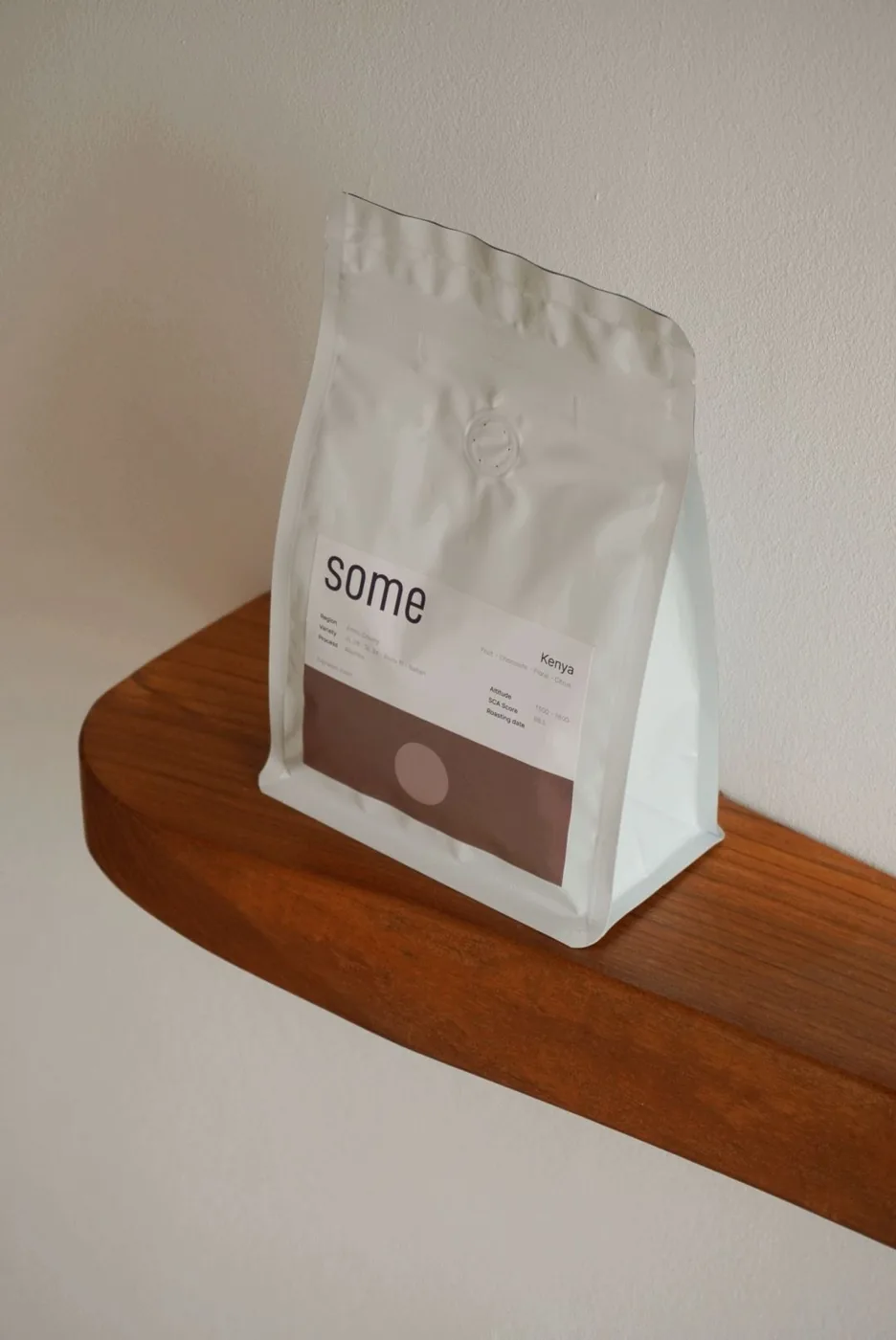
A valve solves one part of the freshness problem
Freshly roasted coffee releases carbon dioxide after roasting. A one-way degassing valve can let internal gas escape while limiting outside oxygen entry, helping the pack maintain its shape and reducing pressure on seals.
When a valve is commonly considered
Whole-bean coffee packed soon after roasting often benefits from a valve. Ground coffee, aged coffee, vacuum-packed products, instant coffee, and single-serve formats may need a different approach based on the filling process and shelf-life plan.
Barrier structure still matters
A valve cannot compensate for an unsuitable laminate or weak seal. Oxygen transmission, moisture protection, light barrier, aroma retention, puncture resistance, and heat-seal performance should be reviewed as one system.
Valve placement and production checks
- Keep the valve away from zippers, seals, and critical artwork.
- Confirm the valve style and application method with the production line.
- Test seal integrity and filled-pack behavior before approving volume production.
- Match the structure to distribution time, climate, and handling conditions.
Share the roast date, packing date, shelf-life target, filling method, and destination so the recommendation reflects the real use case.