
 Instant & Single-Serve Coffee PackagingApplication photographDrip Coffee BagA hanging-ear filter and protective outer sachet for fresh pour-over coffee anywhere.View specifications →
Coffee packaging category
Instant & Single-Serve Coffee Packaging
Choose the dose format before selecting film and sealing direction.
Product range
Compare formats for this coffee.
Drip bags, hanging-ear filters, sticks, capsule lidding, and multipacks reviewed with the filling or sealing equipment. Open a product for its specifications, use case, and approval notes.
Instant & Single-Serve Coffee PackagingApplication photographDrip Coffee BagA hanging-ear filter and protective outer sachet for fresh pour-over coffee anywhere.View specifications →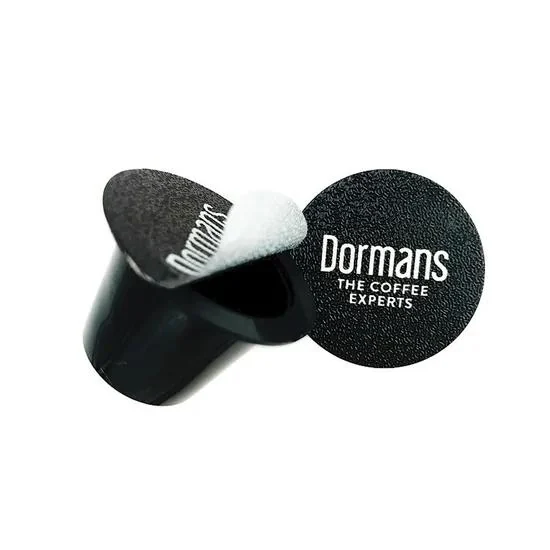 Instant & Single-Serve Coffee PackagingCoffee Capsule Lidding FilmPrinted heat-seal lidding matched to the capsule rim, material, and brewing system.View specifications →
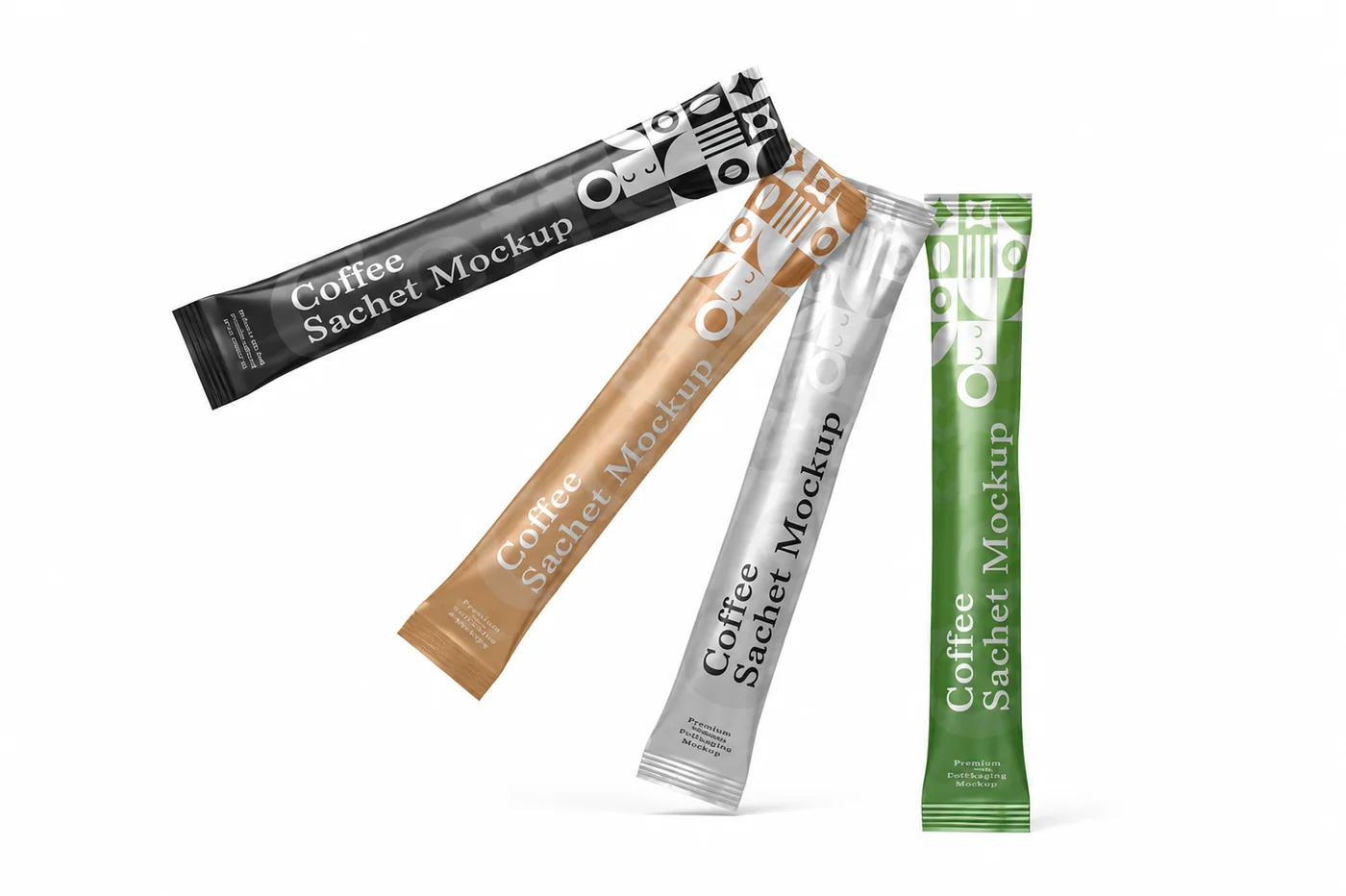 Instant & Single-Serve Coffee PackagingStick PackA slim portable format for instant coffee and powdered beverage mixes.View specifications →
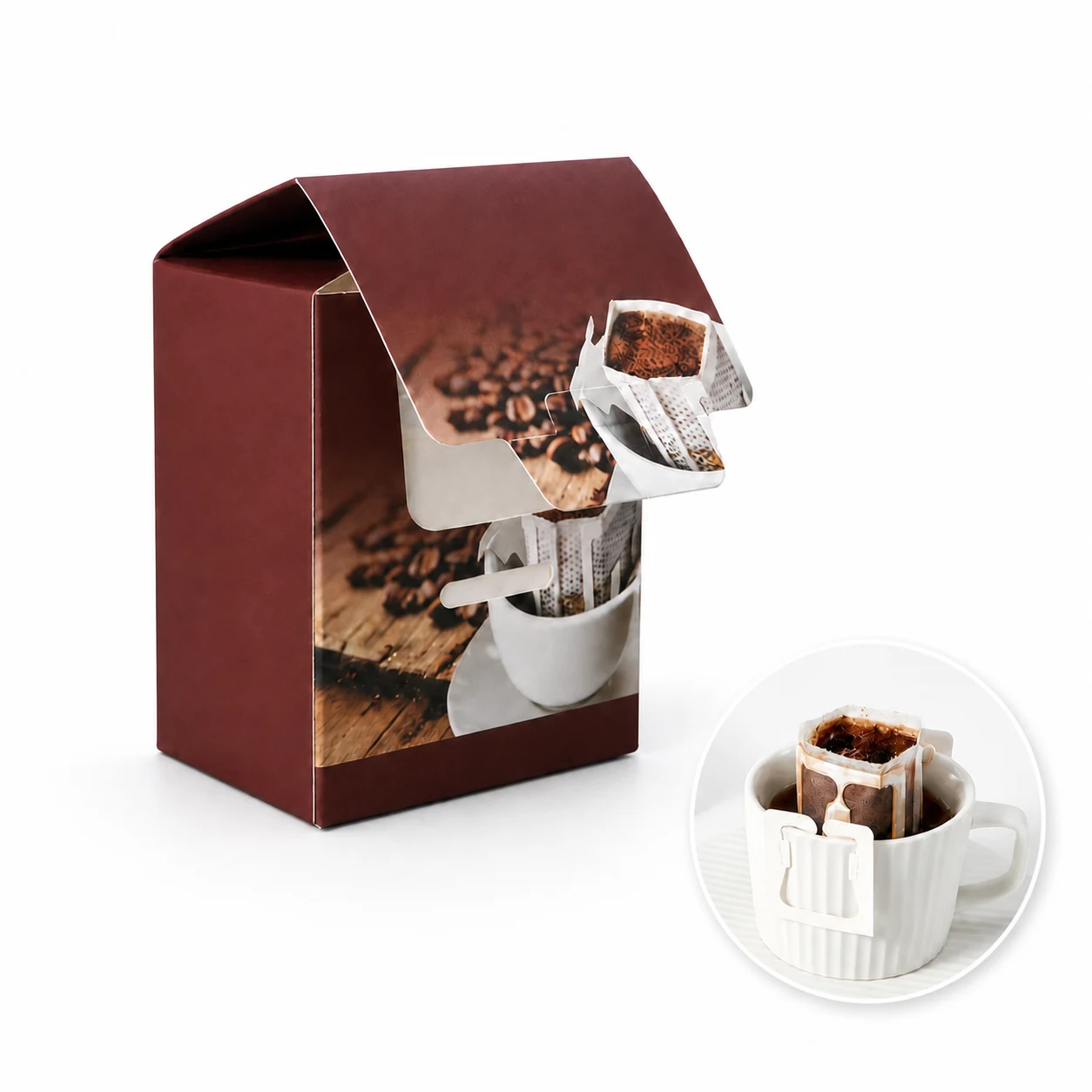 Instant & Single-Serve Coffee PackagingHanging Ear Drip Coffee Filter BagA food-grade hanging-ear filter for a convenient fresh pour-over coffee experience.View specifications →
Format comparison
Find the right single-serve format
Packaging in context
Single-serve formats have different jobs. The filter holds the brew dose, the outer sachet protects a portion, a stick pack contains a measured product dose, and capsule lidding closes a compatible capsule rim.
| Format | What it contains | What the buyer decides |
|---|---|---|
| Drip filter bag | Filter material holds ground coffee for brewing; it may use a separate outer sachet. | Dose, filter fit, cup setup and whether an outer pack is required. |
| Hanging-ear filter | A filter bag with supports that attach to a cup. | Ear fit, opening, grind and brew trial. |
| Stick pack | A narrow sealed pack for a measured dry dose. | Dose, roll or premade route, seal and machine registration. |
| Capsule lidding film | A lid that seals to a compatible capsule rim; it is not the whole capsule. | Rim profile, substrate, sealant and machine conditions. |
Choose with confidence
What is the difference between a filter, outer sachet, and multipack?
The inner filter holds and brews the dose, the outer sachet protects the filled portion before use, and a carton or multipack groups portions for sale. Size, seal, barrier, and artwork should be confirmed for each level and for the intended equipment.
Separate the primary portion from its protective and retail layers before comparing samples. A drip or hanging-ear filter needs the intended grind, dose, cup range, ear fit, and extraction check. A sachet or stick needs powder flow, seal cleanliness, tear direction, coding space, and machine registration. A capsule lid needs the exact rim and sealing interface. Record whether each sample is roll-fed, premade, or a cut piece, then compare the same dose and equipment conditions so a good outer graphic does not hide a poor opening or line fit. Also note how portions are counted, packed, labelled, and opened by the final user after the line trial is accepted.
- Separate the dose, filter or lidding, outer protective pack, and retail grouping.
- Share roll or piece format, registration, seal window, cut direction, and machine details.
- Use a trial to confirm fit, opening, sealing, and secondary packing before production.
Related resource
Drip and outer-pack coordination
Review the inner filter or portion format with the outer barrier pack.
Open the guide →Choose with confidence
Is it right for you?
Your customer needs to identify, open and prepare a portion easily. First distinguish the brewing component from its protective and retail packs, then confirm the dose and packing equipment.
See how samples are reviewedWill it suit my coffee?
Identify whether you need a filter, sachet, stick or capsule lid. Share dose, contents and equipment details; each has a different filling or sealing interface. Confirm the included components before comparing prices.
Can I use my own design?
Keep preparation instructions clear at portion size. Check the usable print area, code space and SKU differences on each printed component, with separate references for inner and outer packs.
What can a sample confirm?
Review the intended opening and serving routine with the actual contents. For a brewing component, include a brew check; for a machine-fed pack or lid, agree a line trial with the responsible partner before approval.
In practice
One serving. A complete system.
Specify the coffee format before choosing the individual pack and outer presentation.
Distinguish dissolve from brew
An instant coffee stick is prepared differently from a hanging-ear filter or a capsule. State the actual coffee form and preparation method in the enquiry so the package recommendation starts from the right system.
A small pack is not automatically a soluble-coffee product. Keep the first instruction on the consumer pack unambiguous, and use a short illustrated sequence only where it helps the customer perform the next step.
Count every component
A drip range may need filters, protective sachets and retail boxes; a capsule project may concern only compatible lidding. List exactly which components you need, who fills them and how many portions form the sellable unit.
Compare quotes at that complete scope. When dimensions change, review the outer presentation as well, because a small change to one component can affect loading, box fit or the opening sequence.
Try the experience without explanation
Give an assembled sample to someone unfamiliar with the concept and observe the first use. Note where they hesitate, what they read first and whether the pack opens as intended. Review brewing or preparation results separately with the coffee team using the confirmed recipe.
Keep usability findings tied to the sample revision. A polished render can communicate a visual direction, but it cannot show whether a first-time customer understands the actual product.
Planning example
When the brew component and the sales pack are different parts
A brand is building a tasting set with hanging-ear filters, individual barrier sachets, and a printed carton. The filter is judged by dose, grind, cup fit, and brew flow. The outer sachet is judged by loading room, seal, opening, and protection for the intended route. The carton is judged by portion count, shelf presentation, barcode, and case packing. If a stick pack or capsule lid is also in the range, those need a different equipment interface and trial; do not group them under one generic “single-serve bag” specification. Ask the packing partner whether the sachets are premade or roll-fed before setting artwork and coding positions. This separates the user's brew experience from the line's pack-making requirements.
Category enquiry
What would you like to resolve?
Start with the coffee, fill weight or dose, estimated quantity and destination. Tell us what you are unsure about; the final material can follow.