
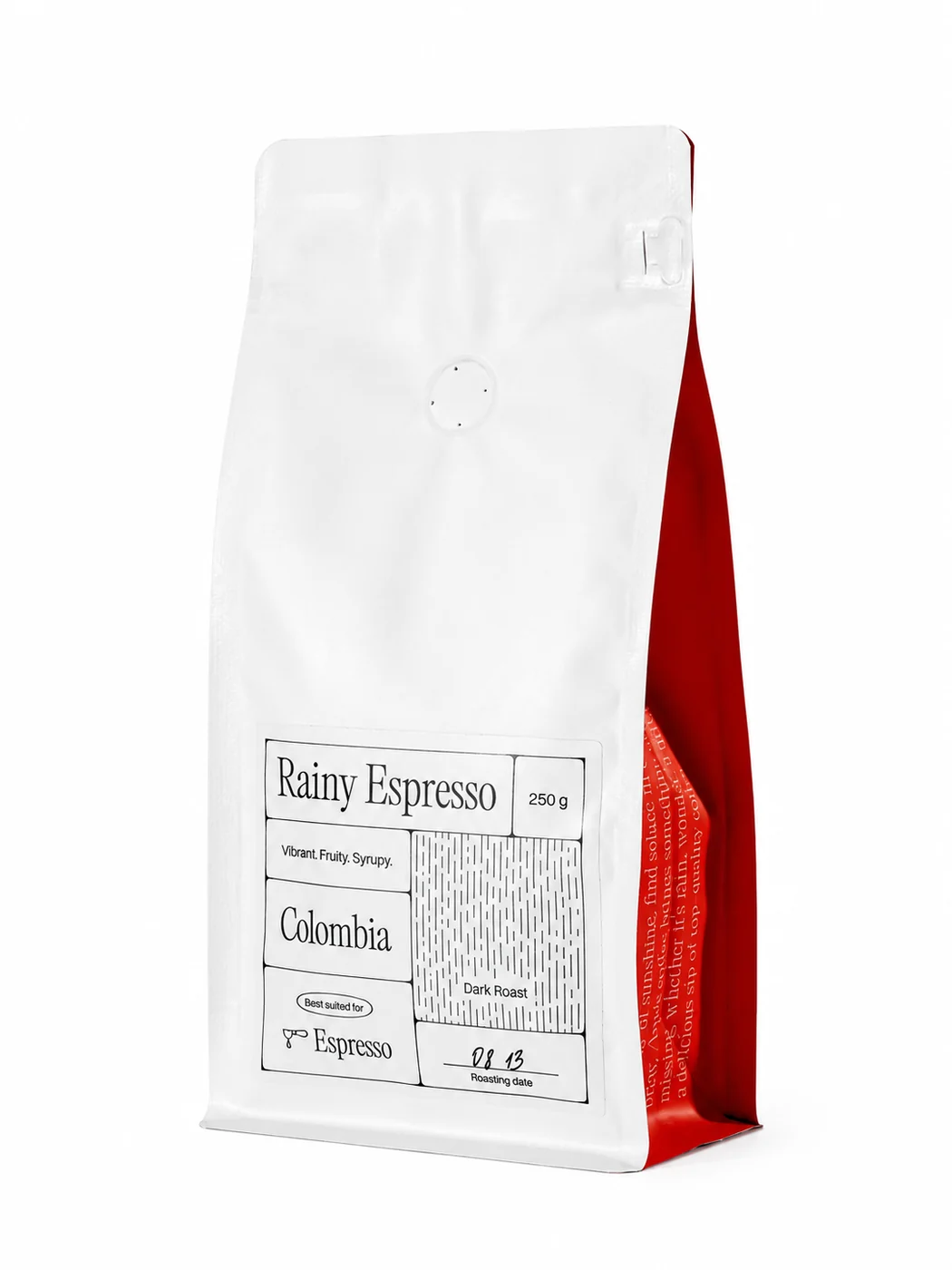
 Coffee Bean PackagingFlat Bottom Coffee BagA five-panel coffee bag with a stable shelf base and defined branding area.View specifications →
Coffee packaging category
Coffee Bean Packaging
Coffee bags designed around roast, freshness, capacity, and sales route.
Product range
Compare formats for this coffee.
Flat bottom, gusseted, K-seal, quad-seal, kraft, and aluminum foil bags for roasted coffee beans. Open a product for its specifications, use case, and approval notes.
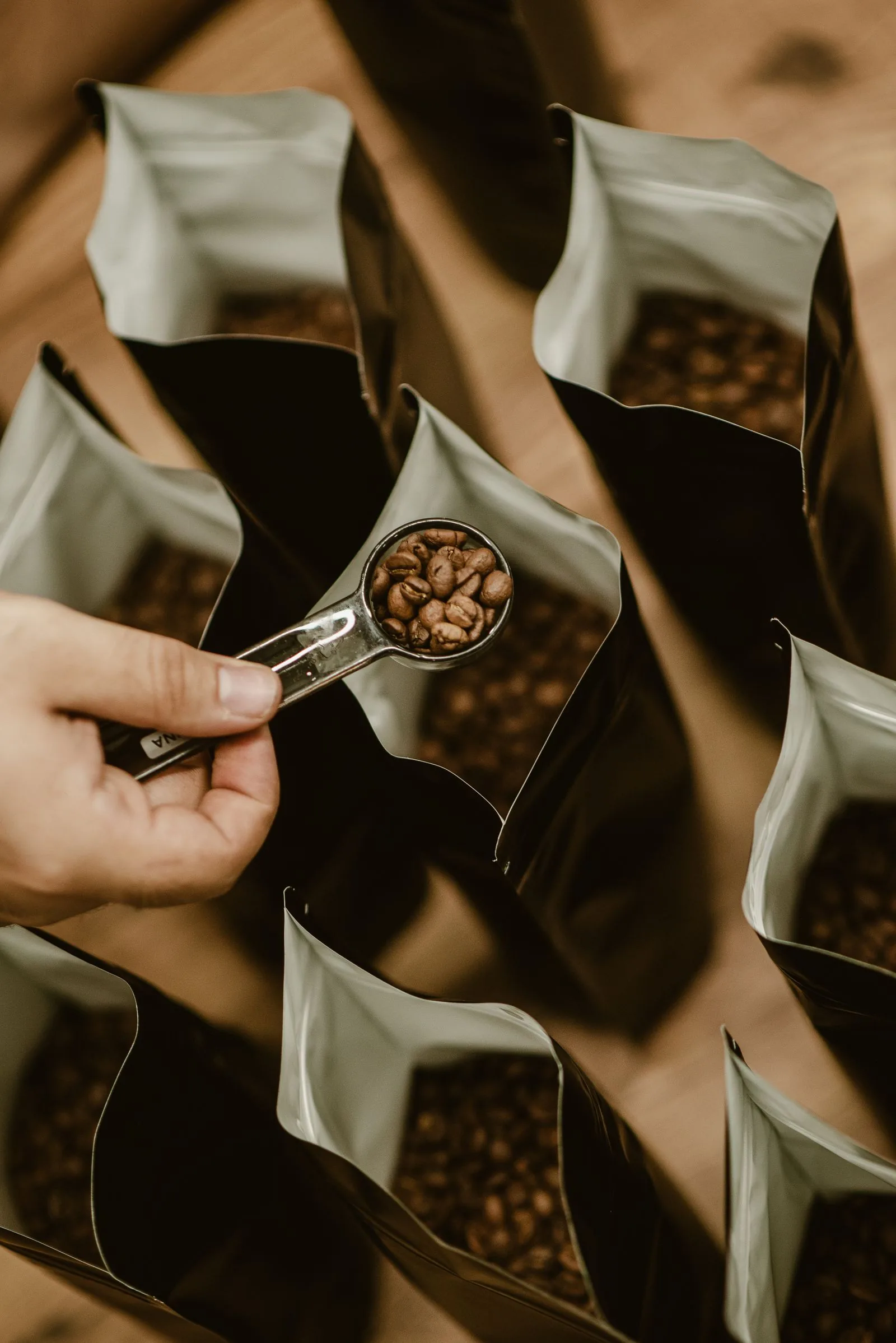
Coffee Bean PackagingFlat Bottom Coffee BagA five-panel coffee bag with a stable shelf base and defined branding area.View specifications →Coffee Bean PackagingApplication photographSide Gusset Coffee BagA classic expandable coffee bag for retail, wholesale, and larger fill weights.View specifications →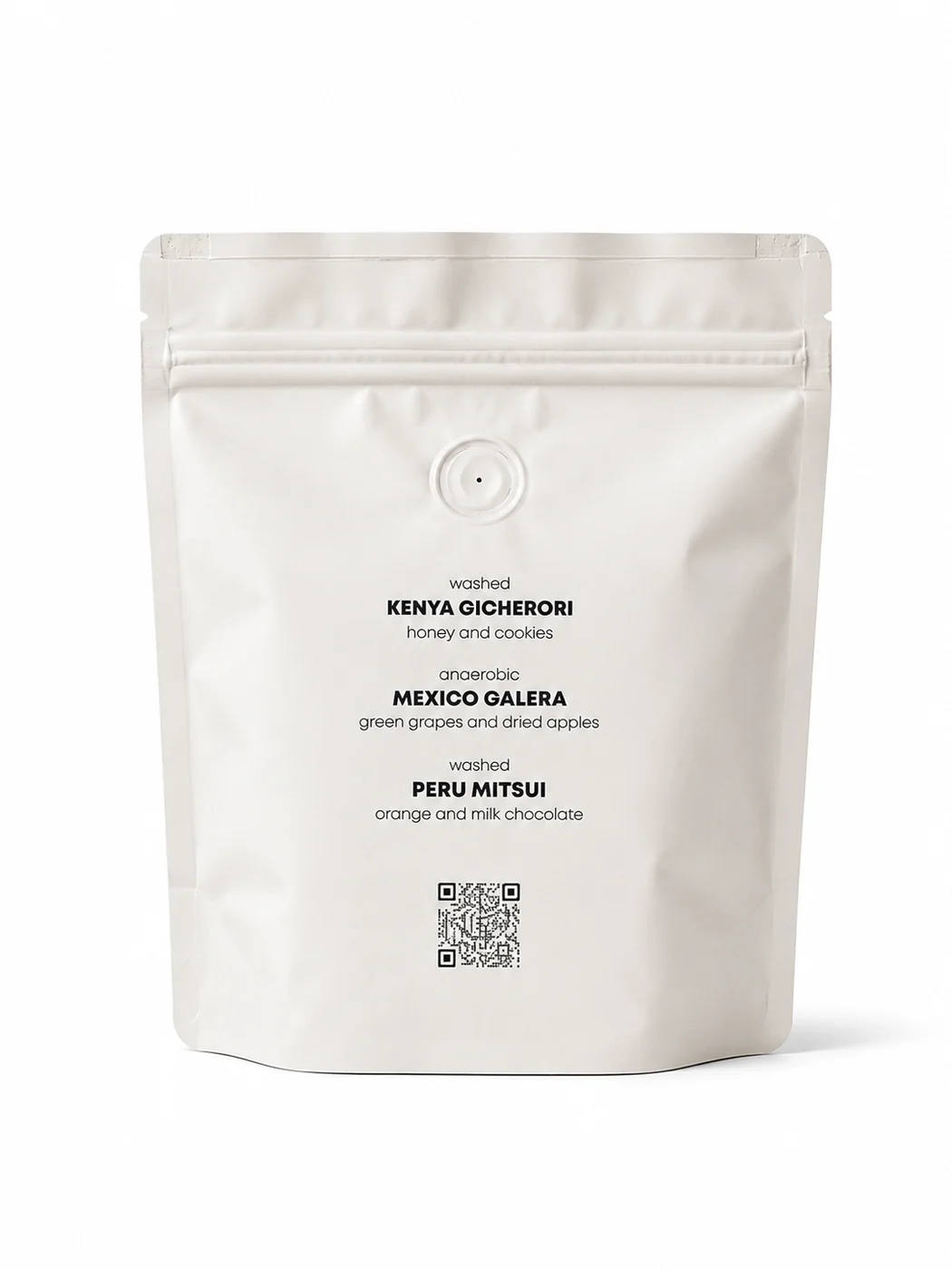 Coffee Bean PackagingK-Seal Coffee PouchA reinforced bottom-seal pouch designed for strength and stable presentation.View specifications →
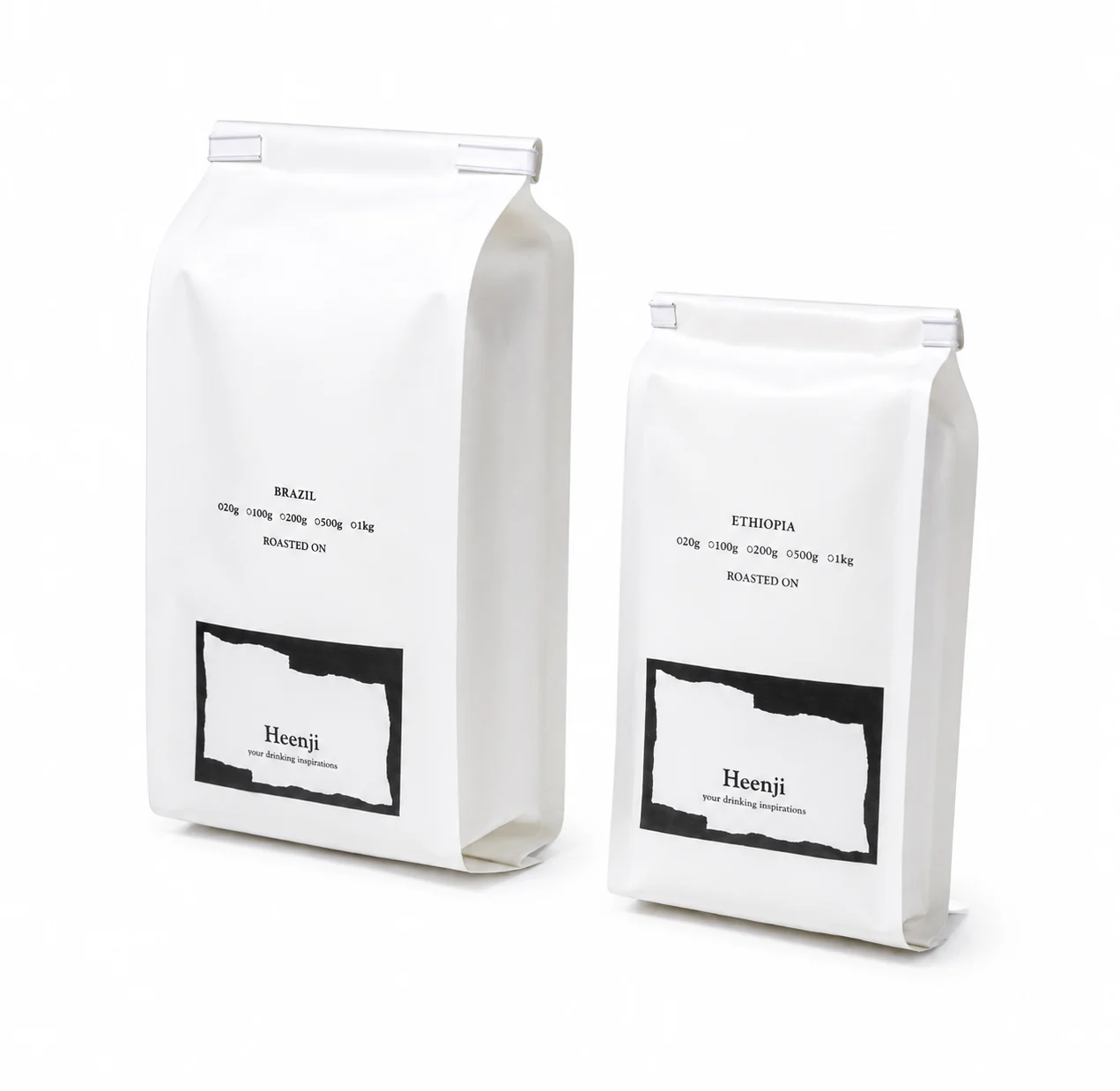 Coffee Bean PackagingQuad Seal Coffee BagFour sealed edges create a structured profile for larger fills.View specifications →
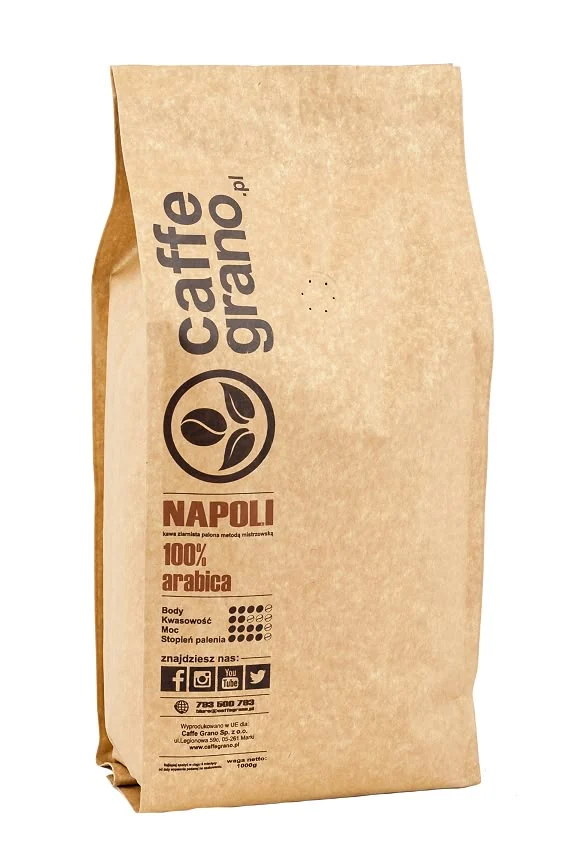 Coffee Bean PackagingKraft Coffee BagA natural kraft appearance backed by a coffee-ready barrier and seal layer.View specifications →
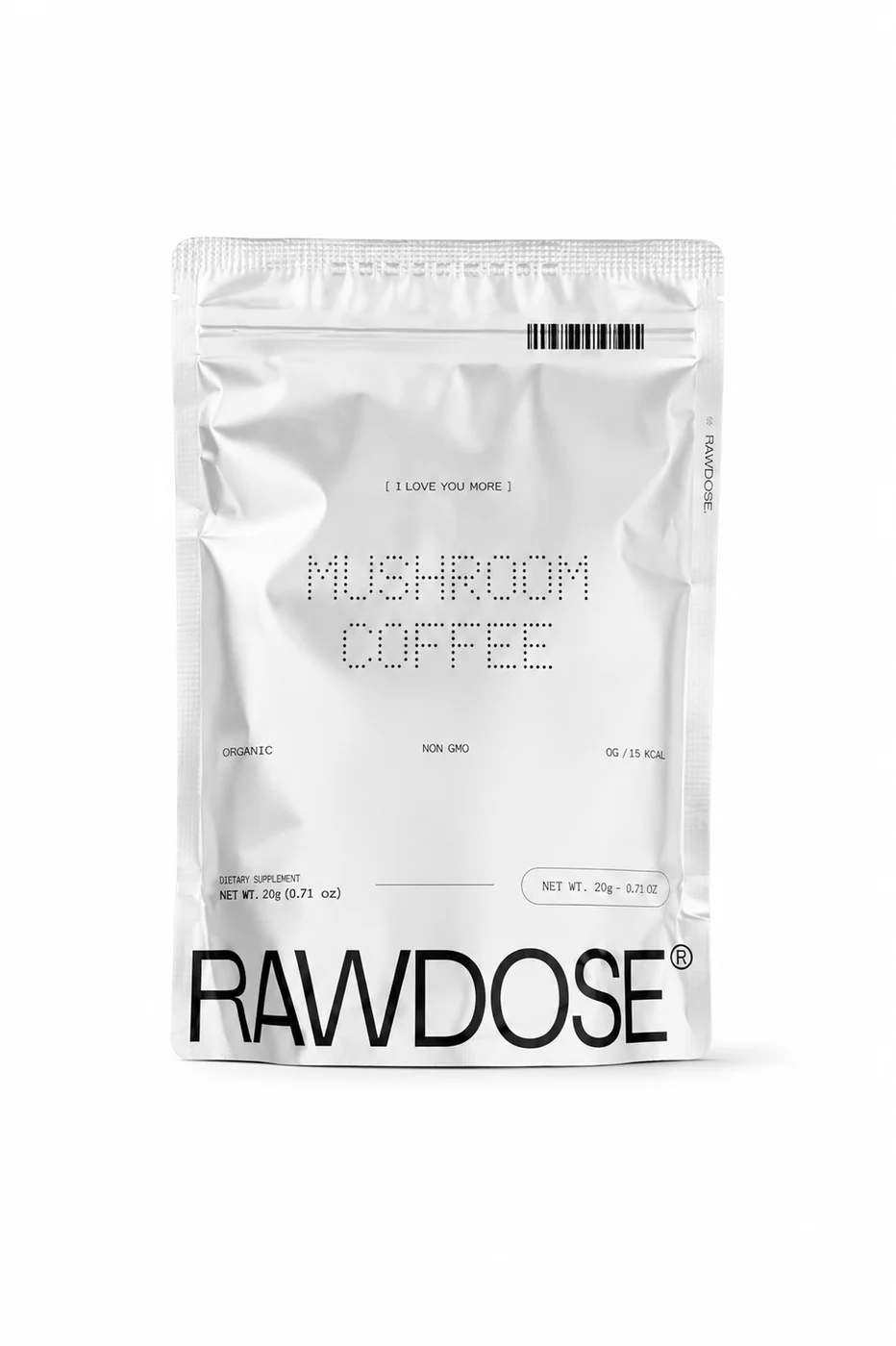 Coffee Bean PackagingAluminum Foil Coffee BagAn opaque high-barrier structure for roasted coffee beans and extended distribution.View specifications →
Format comparison
Find the right coffee bag
Packaging in context
A format overview for whole beans: compare base shape, gusset and presentation, then confirm the filled bag, valve position, closure, and carton fit with your roast and target weight.
| Format | What it contains | What the buyer decides |
|---|---|---|
| Flat-bottom bag | A stand-up bag with a broad base and shaped side panels. | Shelf footprint, fill weight, closure, and display route. |
| Side-gusset bag | A flexible bag with expandable side folds. | Filled width, opening, valve and packing method. |
| K-seal pouch | A pouch using a shaped bottom seal. | Base stability, filled weight and sealing equipment. |
| Quad-seal bag | A four-panel bag with a squared filled profile. | Panel layout, forming route and carton dimensions. |
| Kraft-facing bag | A bag direction with a kraft appearance layer. | Selected inner structure, print area and protection needs. |
| Foil laminate bag | A laminate direction that includes an aluminum layer. | Full structure, closure, route and supporting evidence. |
Choose with confidence
Choosing a degassing valve
Whole beans packed soon after roasting can release carbon dioxide. Review the valve requirement with roast, packing timing, headspace, barrier, and seal conditions; a valve is one part of the complete filled-pack check, not a standalone freshness guarantee.
Compare a flat-bottom, side-gusset, K-seal, quad-seal, kraft, or foil direction after the filled roast is known. A useful first sample answers more than shelf appearance: does the bag stand, does the valve clear the coffee and zipper, does the top seal stay clean, and does the selected size fit the carton? Use the same roast and net weight when comparing formats. Record the fill result, packing timing, closure, artwork panel, and distribution route so the next sample changes one decision at a time. Also record how the filled bag will be opened, resealed, displayed, and packed for shipment during the first review.
- Start with roast, fill weight, packing timing, and distribution route.
- Confirm valve position, closure, headspace, and filled-bag stability before artwork.
- Keep the final material and feature choices in the approved project specification.
Related resource
Size and fill testing
Use the size and fill guide before approving a sample.
Open the guide →Choose with confidence
Is it right for you?
You want the coffee to arrive well presented and the bag to work in daily packing. Start with the roast, fill weight and sales route; shape and selected features follow those needs.
See how samples are reviewedWill it suit my coffee?
Compare formats using the actual roast and weight. Check the loading opening, filled stance and case fit. Review any valve together with packing timing, seals and the intended distribution route.
Can I use my own design?
Use the confirmed dieline to organise coffee names, roast information and codes across your range. State the quantity for each size and design so artwork choices and inventory planning stay connected.
What can a sample confirm?
Choose a sample route for the decision you need to make: bag feel, filled fit, print or line use. Keep the accepted reference and written specification together before approving the production order.
Coffee bean packaging
One range. Different routines.

Retail
Review a readable shelf face, the opening and closure with the actual roast. 250 g is not the same selling weight as 8 oz.
Café and wholesale
Trial lifting, pouring and case packing separately. A 1 kg or 5 lb label does not specify bag dimensions.
Seasonal coffees
Compare shared branding plus labels with dedicated prints. Confirm quantity by size and artwork, and plan the changeover around remaining stock.
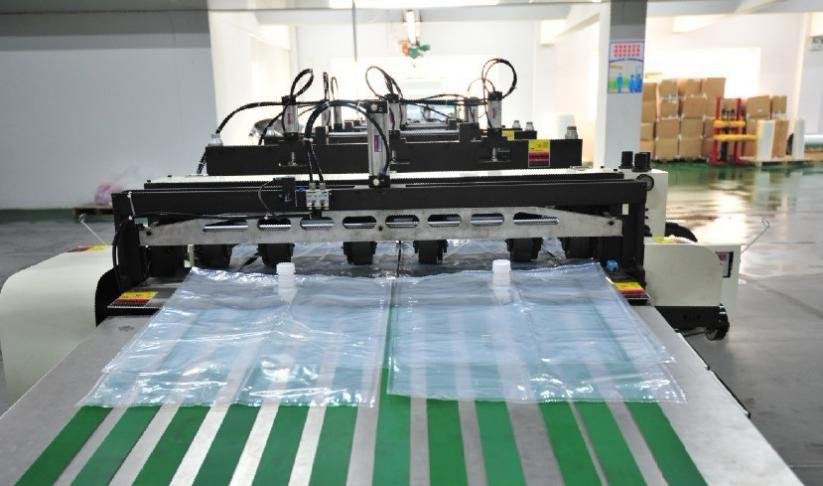
What carries into production?
Keep the accepted sample, approved artwork and specification revision together. Confirm the structure, features and inspection checks for your order before release.
Planning example
When retail shelf space and café replenishment both matter
A roaster serves ecommerce buyers with a smaller bag and cafés with a larger refill. The retail pack may need a stable shelf face, reseal access, and a clear roast label; the café pack may prioritize a wide filling opening, case handling, and a format staff can lift and close repeatedly. Compare the filled weights with the actual roast, then check whether the same laminate, valve, and closure can serve both routes. Use a separate case count and artwork version for each size. For café supply, record the case quantity and reseal routine separately from the retail size.
Category enquiry
What would you like to resolve?
Start with the coffee, fill weight or dose, estimated quantity and destination. Tell us what you are unsure about; the final material can follow.