
 Ground Coffee PackagingFormat illustrationCoffee SachetA portable single-portion pack for ground coffee, hospitality, and sampling.View specifications →
Coffee packaging category
Ground Coffee Packaging
Compare portion sachets and jar or can packaging for your ground coffee project.
Product range
Compare formats for this coffee.
Choose between 2–30 g portion sachets and jar or can formats; capacity, closure, inner seal, and protection depend on the filled product and route. Open a product for its specifications, use case, and approval notes.
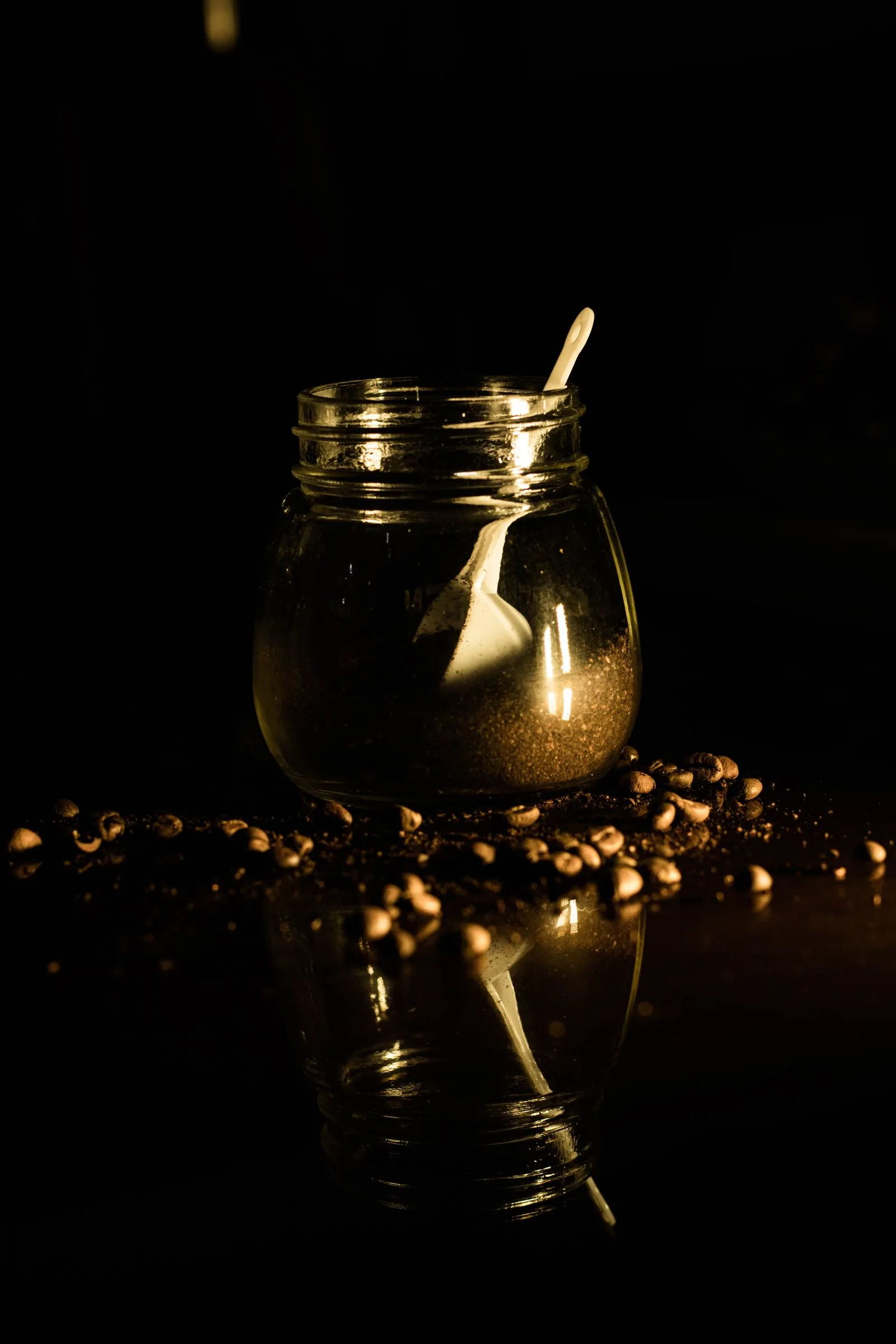
Ground Coffee PackagingFormat illustrationCoffee SachetA portable single-portion pack for ground coffee, hospitality, and sampling.View specifications →Ground Coffee PackagingApplication photographGround Coffee Jar & Can PackagingRigid containers with coordinated closures, inner seals, and decoration.View specifications →Format comparison
Choose a ground coffee format
Packaging in context
A concept view of portion and container routes for ground coffee. Compare dose handling or container closure with the actual grind, fill method, seal area, and after-opening routine.
| Format | What it contains | What the buyer decides |
|---|---|---|
| Coffee sachet | A sealed flexible pack for a defined portion. | Dose, powder handling, tear direction and line fit. |
| Jar or can | A rigid container with a closure and possible inner seal. | Capacity, closure fit, inner seal, decoration and case handling. |
Choose with confidence
Why does ground coffee need a sealing review?
Ground coffee can behave differently at the filling and seal area depending on grind, dose, density, and equipment. Choose the pouch, jar, or can around the complete closure or inner-seal system, then confirm powder handling, seal cleanliness, and protection with the filled product.
Compare a portion sachet with a jar or can by starting from the dose and user routine. The sachet sample should show powder flow, seal cleanliness, tear direction, and line fit. The rigid sample should show closure fit, inner-seal route, headspace, decoration area, and case handling. Use the actual grind or representative powder and record the filling method. Do not treat a material name or a familiar container as proof of protection; the complete closure and evidence still need to be confirmed. Also record the after-opening routine, shelf or carton constraints, and the handling decision that the final pack must support.
- Start with grind profile, actual dose, filling method, and target route.
- Keep seal zones clear and confirm closure, inner seal, and decoration together.
- Treat material, container, closure, and evidence as one protection system.
Related resource
Artwork and seal review
Use the artwork and dieline checklist before print approval.
Open the guide →Ground coffee packaging
Portion pack or daily-use container?
Start with the serving routine and filling process. Compare the dose, opening and sealing checks before choosing the material or decoration.
Coffee sachets
For a measured portion. Review dose, powder flow, clean seal space and the tear opening with your intended grind.
Explore the sachet ↗
Jars and cans
For a rigid-container routine. Confirm actual fill weight, rim, inner seal, closure and the sealing equipment as one system.
Explore jars and cans ↗Changing from whole beans to ground?
Repeat the fill and closing checks even if the selling weight stays the same. Keep the ground-coffee trial, grind and filling observations separate from the whole-bean reference.
Choose with confidence
Is it right for you?
For ground coffee, easy filling and clean seals matter as much as the pack’s appearance. Compare a sachet, bag or container around the dose, filling method and how your customer uses it.
See how samples are reviewedWill it suit my coffee?
Share the grind, dose or net weight, filling equipment and sales route. Check powder handling, seal cleanliness and the opening or closure. Use those results to choose the size and complete construction.
Can I use my own design?
Make the coffee identity, preparation details and codes readable on the chosen portion or container. Confirm which surface carries the design and what space is reserved for sealing or closing.
What can a sample confirm?
Try the actual contents and packing route, then review opening and handling. Record the agreed sample, artwork and container or film reference so the quote and production brief stay aligned.
In practice
Make filling and use agree.
The grind, dose and opening should lead the format decision.
Choose around the selling occasion
A café refill, a retail bag and a hospitality portion serve different buying occasions. Start by describing who opens the pack and how the coffee reaches the brewer. A resealable pouch supports repeat access; a portion pack controls the amount supplied for one preparation.
Compare that routine before focusing on finish or shape. Make preparation language clear so a ground-coffee portion is not confused with a soluble coffee stick.
Put powder handling in the brief
Ask the filling partner to review the intended grind and dose with the proposed opening and seal layout. Watch for dust in the closing area and check whether the bag can be loaded without excessive handling.
Record the actual coffee and machine conditions used during a trial. A sample filled slowly by hand can be useful, but it cannot establish whether the same pack works consistently on an automatic line.
Keep variants recognizable
Whole-bean and ground versions of the same coffee may share a brand design while needing a clear product distinction. Place the grind or preparation cue where a shopper and a warehouse picker can both find it.
Review the longest actual product name at final print size, then check the filled pack and shipping label together. Keep the identification system consistent across the bag, carton and order record to reduce avoidable picking and packing mistakes.
Planning example
When a measured serving competes with a resealable container
A hospitality buyer needs a single-serving ground coffee dose while a retail partner wants a larger container for home use. The sachet route is about dose, powder flow, clean seals, tear access, and the packing line; a jar or can route is about capacity, closure, inner seal, scoop or pour access, and shipping protection. The current catalogue lists 2–30 g sachet directions and 50 g to 1 kg jar or can directions, but the intended grind and actual fill determine the useful size. Test the same coffee in the candidate format, and keep the foodservice count and retail capacity separate in the quote. One container style does not automatically solve both use routines.
Category enquiry
What would you like to resolve?
Start with the coffee, fill weight or dose, estimated quantity and destination. Tell us what you are unsure about; the final material can follow.