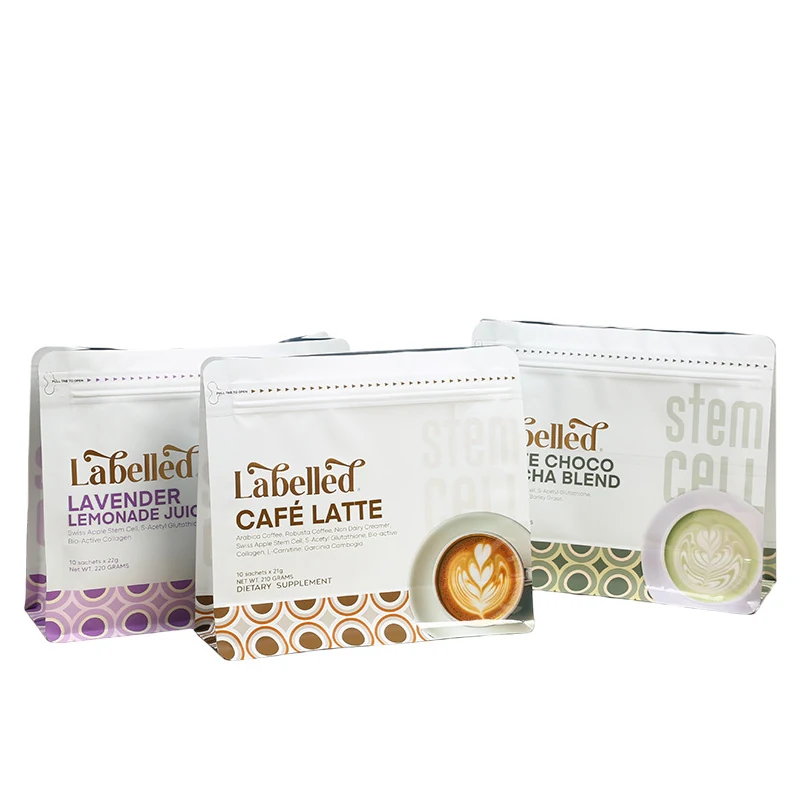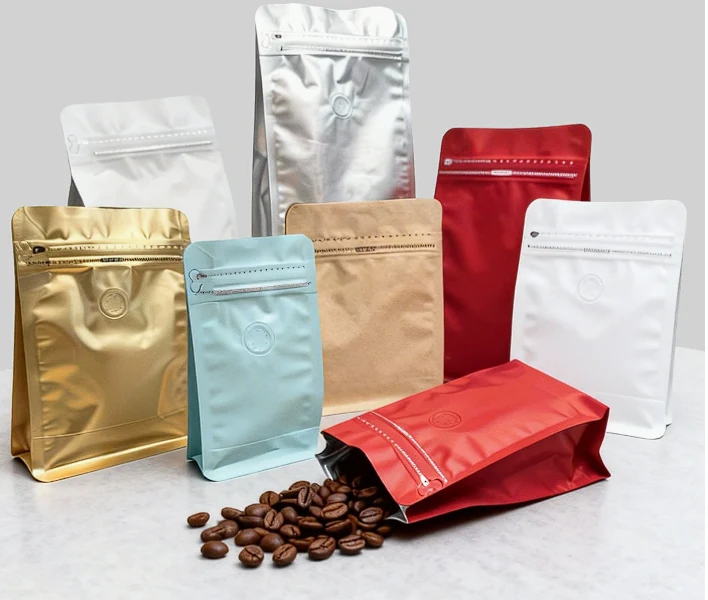
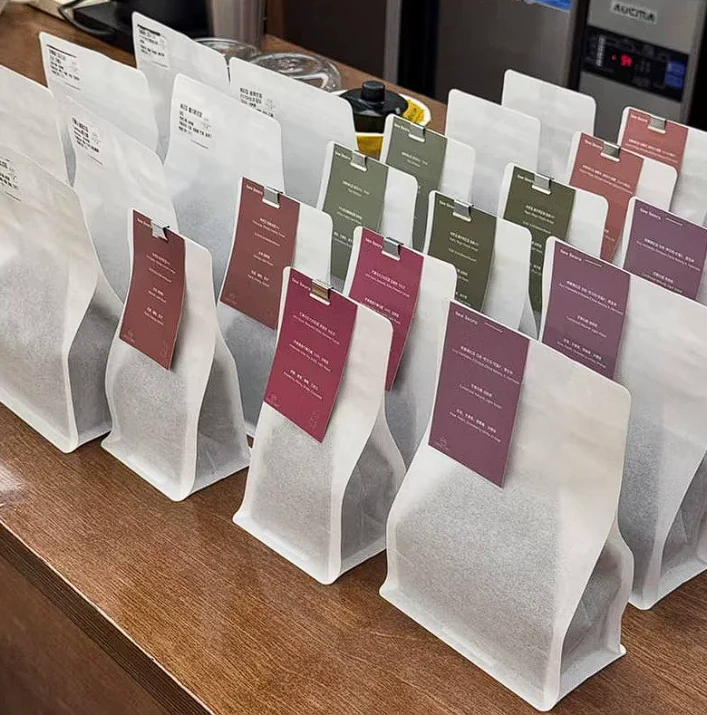
A coffee bag can look right on screen and still need changes after filling. Before approving an order, separate three decisions: whether the package fits your coffee, whether the artwork is correct, and whether the agreed production construction performs as intended. One sample rarely settles all three.
Which sample do you need?
A stock sample helps you compare physical formats. An artwork proof checks a design revision. A project-specific sample is useful only when you know which parts match the eventual production order. Ask your supplier to identify the purpose and limitations of each item they send.
| Approval item | Useful for | Does not establish |
|---|---|---|
| Stock or reference sample | Handling, approximate fill, closure and finish comparison | Your exact material, print or shelf life |
| Digital artwork proof | Text, layout, dieline alignment and design revision | Final printed color, tactile finish or seal performance |
| Printed or production sample | The attributes made using the agreed process and construction | Untested variations, future batches or a different filling line |
This distinction is also visible in supplier workflows. Roastar describes its artwork resources and proof process; these are reference examples, not Crystavo service terms. Confirm the sample route, cost and schedule for your own project.
Run a fit check with your actual coffee
Put the intended fill weight into the sample rather than choosing by the printed capacity label alone. Record the coffee state, dose and bag dimensions. Check the space above the coffee, the usable sealing area, the zipper position and how the filled bag stands. Photograph the front, back and top after filling so your supplier sees the same result.
When comparing two formats, keep the coffee and fill weight the same. A different roast or grind can change the result. For a repeatable starting point, use our coffee bag size and fill-testing guide. This is a fit check, not a shelf-life validation.
Approve the proof by revision, not by memory
Give every approved file a clear revision name. Check the product name, net quantity, barcode area, contact information and each SKU variation. Mark seal zones, gusset folds, zipper position and date-code space on the same dieline used for the order. Ask how important brand colors will be assessed; a laptop display is not a physical color reference.
Keep wording approval separate from structural approval. An email saying that the logo looks correct should not silently authorize a material substitution. Our artwork and dieline checklist covers the design checks in more detail.
Keep a short approval record
- Sample ID, date received and supplier reference.
- Bag dimensions, material reference and closure or valve options.
- Actual fill weight and the result of your filling trial.
- Approved artwork filename and color reference.
- Items still awaiting verification, with an owner for each.
- Confirmation of which approved features apply to production.
If you use automated equipment, involve the filling partner before approving the structure. Ask which line checks they need, and keep the agreed trial results with the order. For measured seal performance, ASTM F88/F88M describes a seal-strength test method; a method reference alone is not a pass result or a universal acceptance limit.
Request the right samples from Crystavo
Tell us the coffee format, intended fill weight and the decision you need the sample to support. Available standard samples are free; confirm availability, shipping and any custom sampling charges before arranging dispatch. You do not need a finished specification to start the conversation.
Compare coffee packaging formats or send a short sample enquiry. Email or WhatsApp is enough as a contact method; technical details can be confirmed after the first discussion.
Research notes
Sources & standards
- Roastar: artwork resources and proof workflow
- ASTM F88/F88M-23: seal strength of flexible barrier materials
Technical references explain the decision framework. Final performance and compliance depend on the exact approved construction, test conditions, intended use and destination market.