Crystavo’s mass-production minimum is 10,000 pieces. The useful planning question is not only “can I order 10,000 bags?” It is “how much of that packaging can I sell before the artwork, coffee range or regulatory copy changes?”
A good MOQ plan protects the approved material and bag construction while reducing the risk of obsolete SKU inventory.
Start with annual usage, not launch excitement
Estimate monthly usage by selling unit and SKU, then include realistic growth, seasonality and reorder lead time. Separate permanent coffees from short releases. A core espresso blend may justify dedicated printed packaging; rotating micro-lots may be better served by a shared base pouch and variable label.
| Range pattern | Packaging direction to review | Main control |
|---|---|---|
| One high-volume core SKU | Dedicated full-surface printed pouch | Stable artwork, forecast and repeat-order reference |
| Several permanent SKUs | Shared structure with coordinated artwork versions | Quantity per design and color consistency across the range |
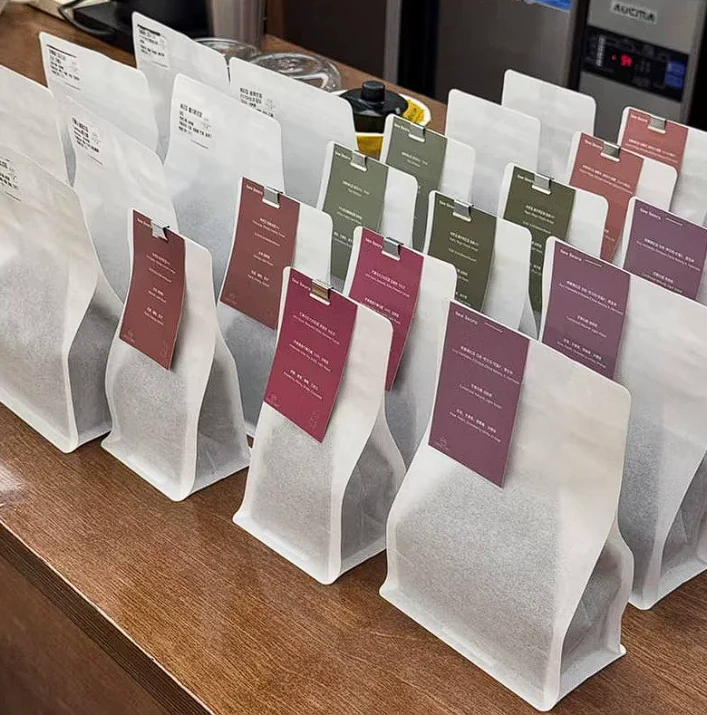
| Seasonal or changing origins | Shared printed or stock-look base pouch with variable label | Label stock, application, coding and obsolete inventory |
| Private label customers | Approved common platform with controlled customer labels or artwork | Version control, customer-specific copy and minimum per variant |
Keep the specification common where it makes sense
SKUs that share the same coffee state, net weight, valve, zipper, barrier target and distribution route may be able to share one physical pouch platform. That does not mean every coffee must use the same packaging. A different fill volume, export route or freshness target can justify a separate structure.
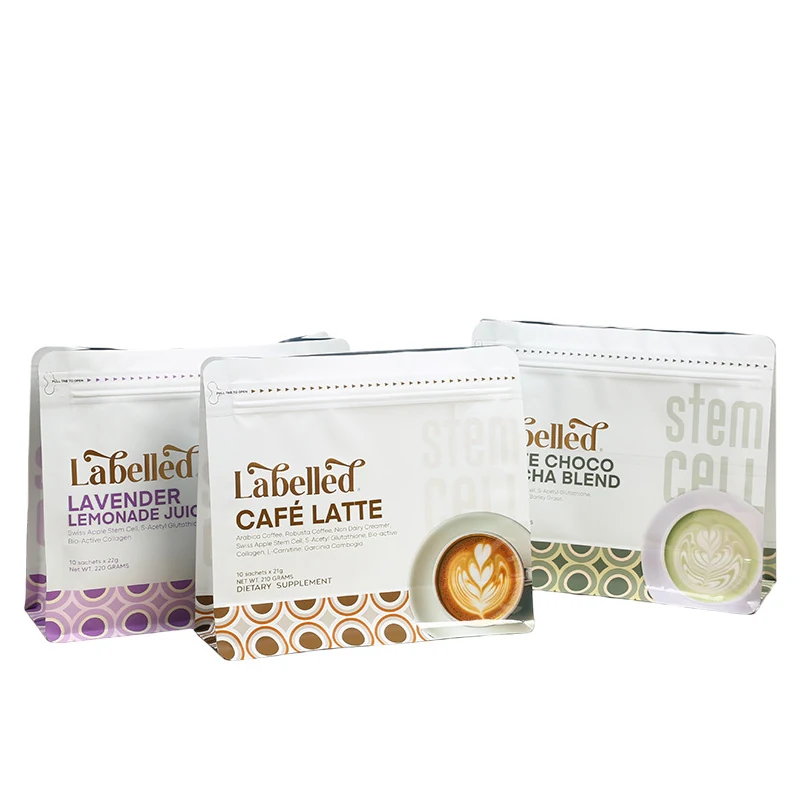
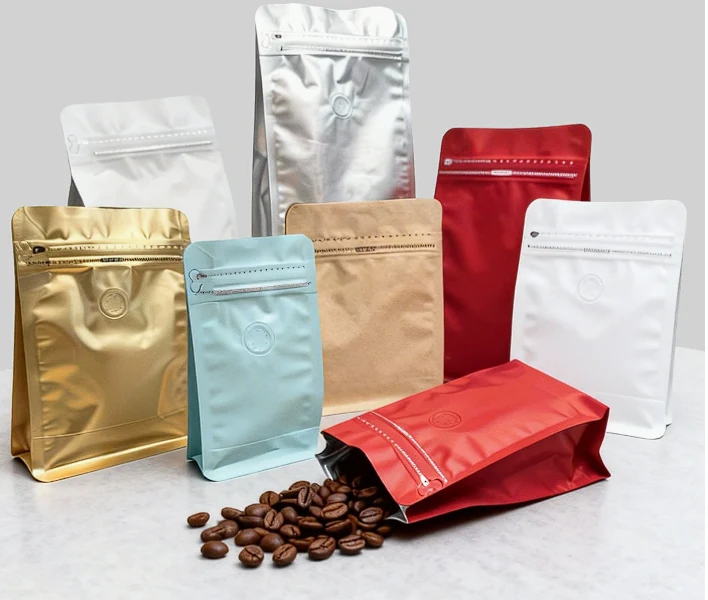
The coffee bean packaging range includes full-print, kraft-facing, foil and labelled directions. Choose the platform first, then decide which information must be permanent and which can change by label or code.
Compare the full project cost
- Bag unit cost at the approved quantity
- Printing cylinders, plates or setup where applicable
- Artwork preparation and physical sample route
- Labels, variable printing and application labor
- Carton packing, freight and storage
- Inventory that may become obsolete after a design change
A lower printed unit price can be a poor decision if the brand will not use the inventory. Conversely, a flexible label route can add labor and material cost at higher volume. Compare both routes using the same forecast and approved bag specification.
Use samples to approve the platform
Available standard samples are free and help the team compare format, material feel, zipper and valve direction. If a custom physical sample is required, confirm its scope, artwork, material and approval purpose before mass production. The sample fee and credit terms should be written into the quotation rather than assumed.
Prepare the repeat order before the first order ships
Retain the signed artwork, material construction, dimensions, valve, zipper, finish, case quantity and approved physical reference. Set a reorder point based on actual monthly use and the agreed production and transit plan. This prevents an emergency reorder from becoming an unreviewed specification change.
MOQ planning worksheet
- Monthly use by SKU and package size
- Permanent versus seasonal products
- Months of stock covered by 10,000 pieces
- Dedicated print versus shared base and label
- Expected artwork or compliance changes
- Production, transit and safety-stock timing
Research notes
Sources & standards
- FDA: determining the regulatory status of food-contact material components
- GS1: 2D barcodes and variable data use cases
Technical references explain the decision framework. Final performance and compliance depend on the exact approved construction, test conditions, intended use and destination market.