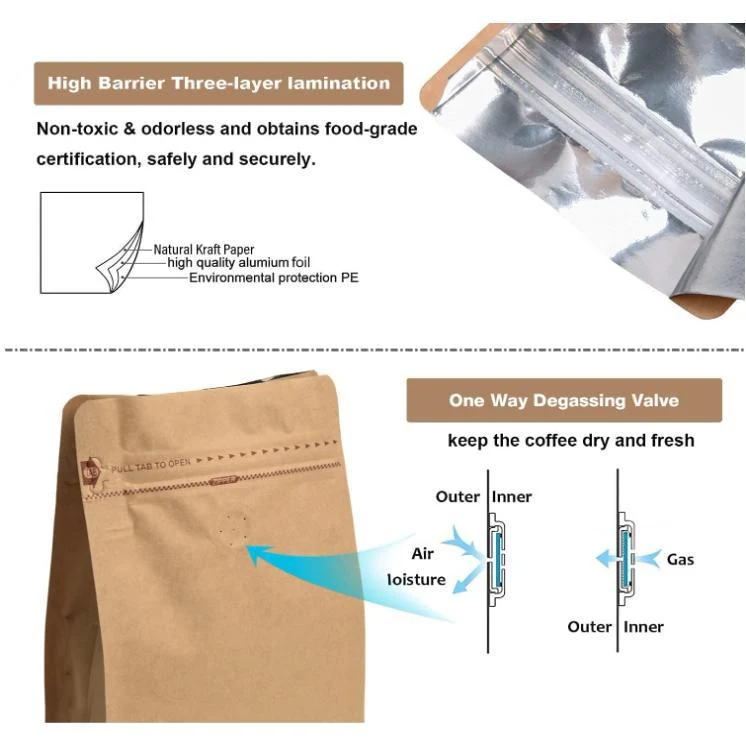
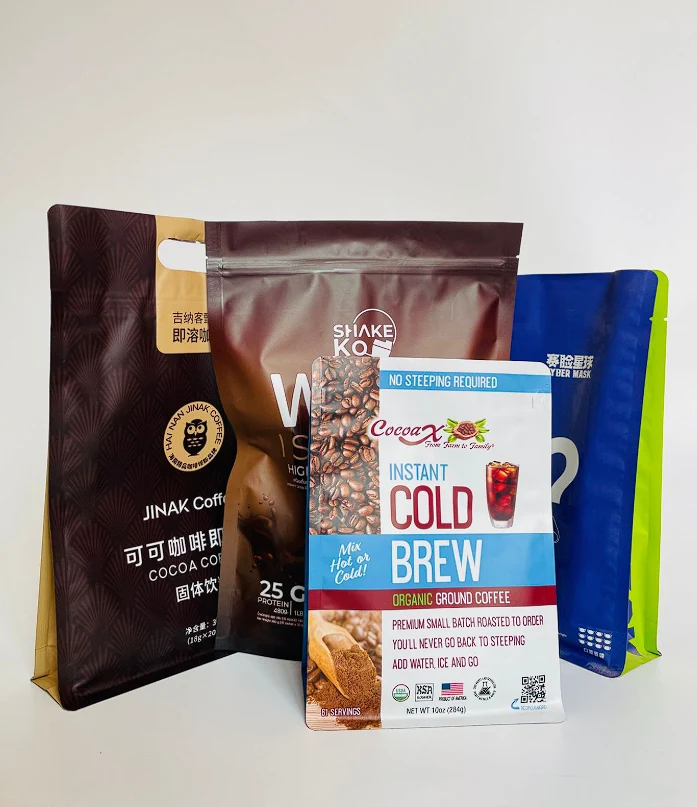
A retail coffee bag is useful reference material, but its outside appearance does not reveal its exact laminate, thickness, sealant or measured barrier. The disciplined approach is to record what can be observed, then identify what still requires documentation or testing.
What you can observe
- Bag format, gussets and shelf stance
- Valve, zipper, tear features and top-seal area
- Opaque, metallic, kraft or window appearance
- Label system, artwork hierarchy and coding area
- Approximate filled dimensions and consumer handling
What you cannot confirm by looking
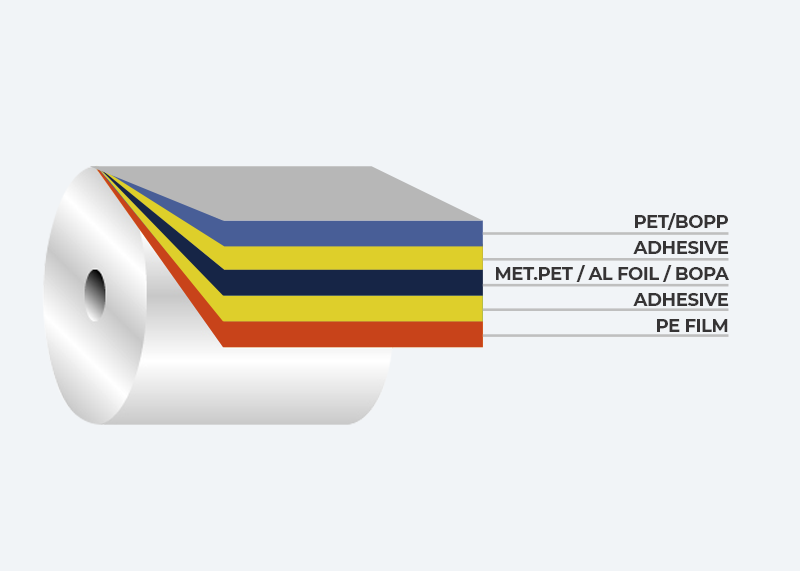
- Whether a metallic layer is VMPET or aluminum foil
- The exact layer order and nominal thickness
- OTR, WVTR or seal-strength results
- Food-contact status of every component
- The intended shelf-life validation and filling conditions
Turn the reference into a useful brief
Photograph all panels, record the net weight and filled dimensions, note the sales route and identify which visible features matter. Then ask the supplier to propose a complete construction and verification plan for your coffee rather than requesting an unverified copy of the competitor bag.
A kraft look may cover a metallized barrier. A metallic look may be a coated polymer rather than foil. A clear window changes the opaque area of the structure. These are specification questions, not reliable visual conclusions.
Research notes
Sources & standards
- FDA: food-contact substance, material and article terminology
- ASTM D3985-24: oxygen transmission testing
- ASTM F1249-25: water-vapor transmission testing
Technical references explain the decision framework. Final performance and compliance depend on the exact approved construction, test conditions, intended use and destination market.