A hanging-ear drip coffee filter and its sealed outer sachet have different jobs. The filter holds ground coffee over a cup during brewing. The outer package protects the filled filter before use. Treating them as one unspecified “coffee bag” makes it easy to approve the wrong dimensions or overlook a filling-line requirement.
Separate the three packaging levels
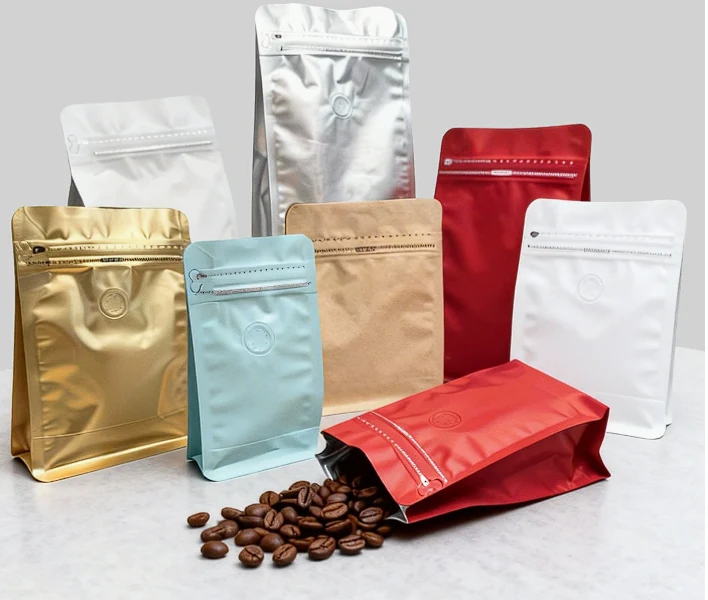
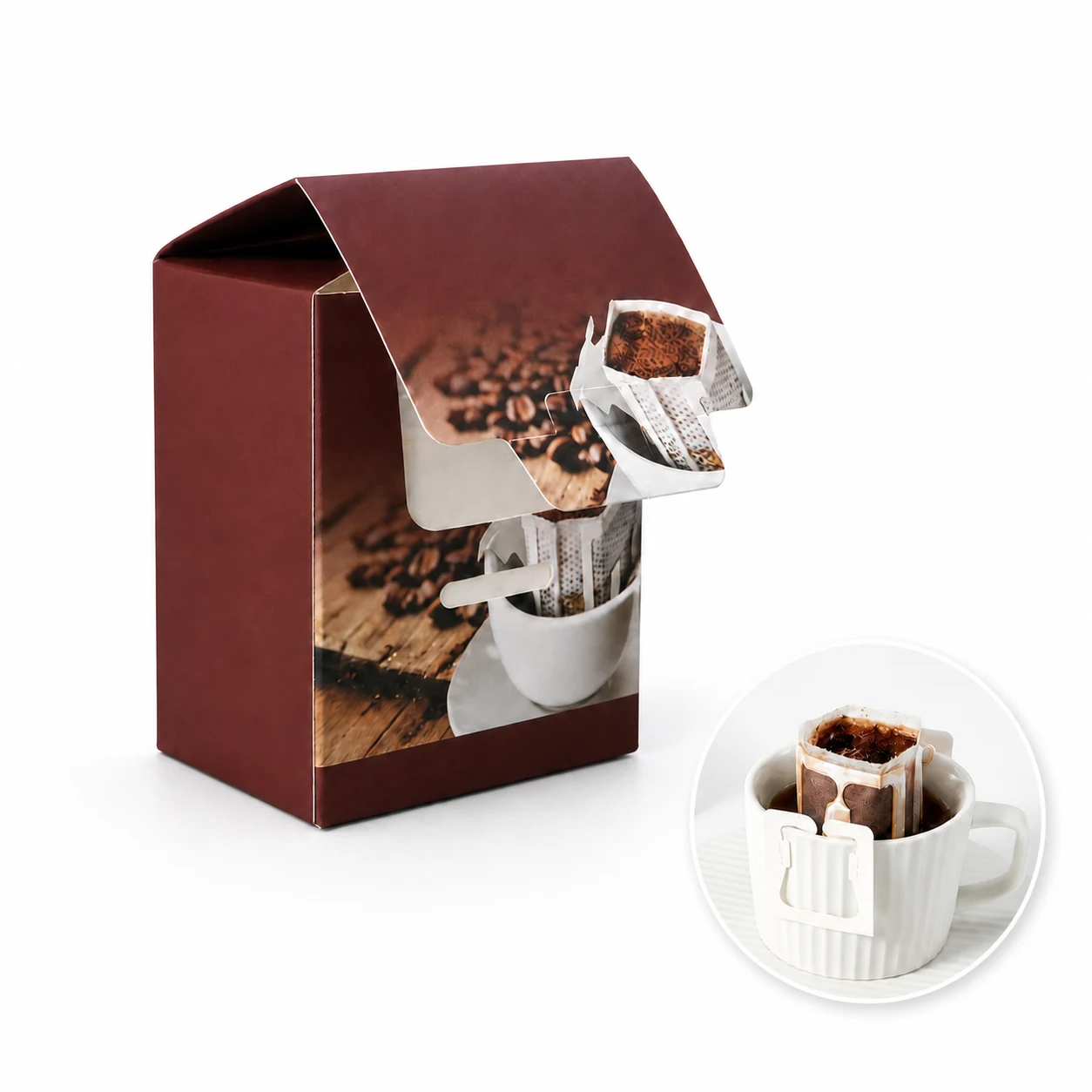
MTPak presents filters, individual pouches and optional boxes as parts of a drip coffee offering. The useful purchasing principle is to define each component separately. A gift box can organize portions and carry branding, but it should not be assumed to replace the individual protective sachet.
| Component | Main purpose | Buyer check |
|---|---|---|
| Hanging-ear filter | Hold the dose and support brewing over a cup | Dose fit, filter flow, ear fit and opening |
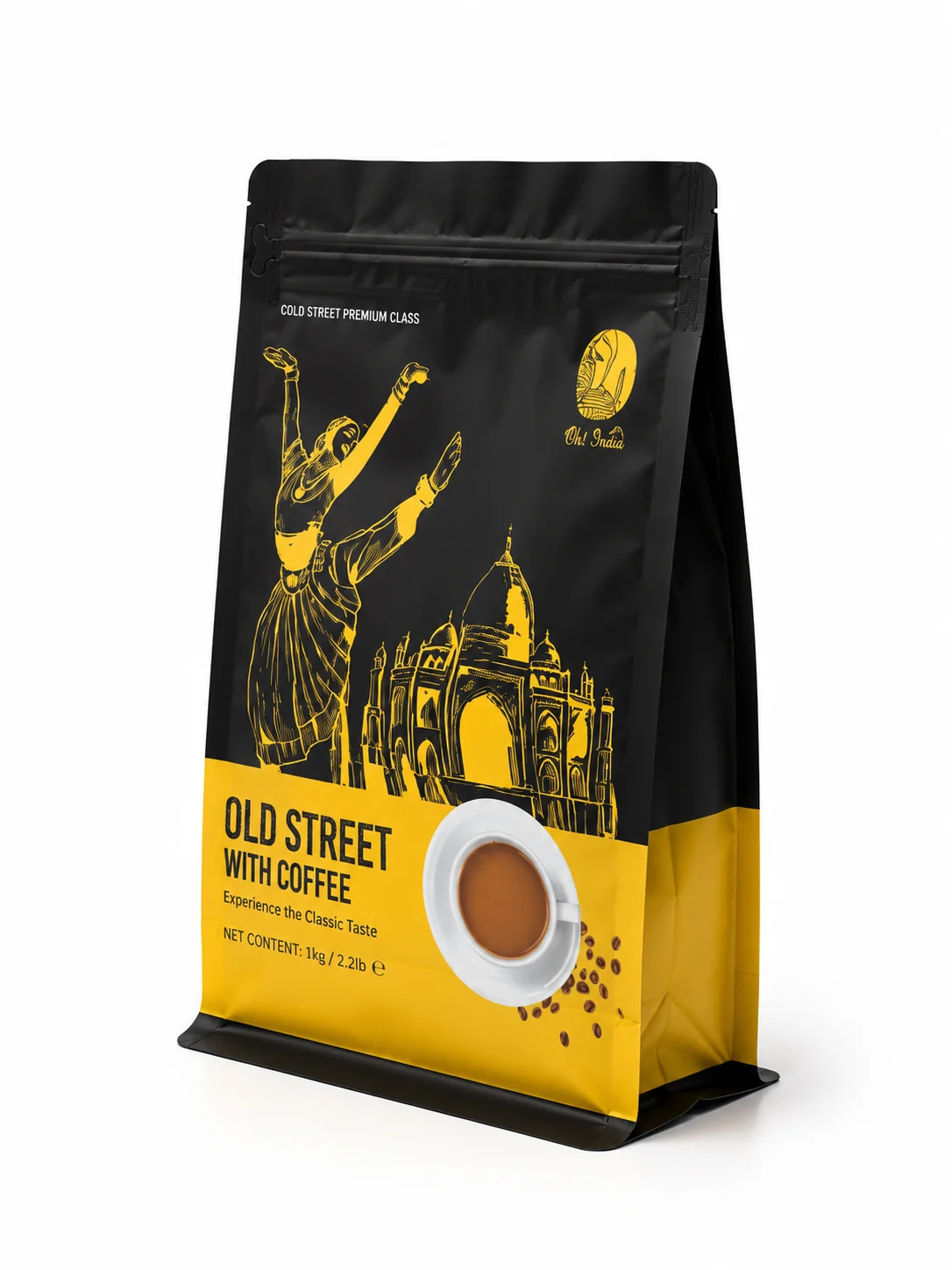
| Outer sachet | Enclose the filled filter before brewing | Internal space, seal area, opening and barrier evidence |
| Retail or gift box | Group individual portions for presentation | Portion count, arrangement and shipping fit |
Check the filter with your own coffee
Our hanging-ear drip coffee filter bag lists an 8-12 g filling range, a 90 x 110 mm filter and 75 x 55 mm hanging ears, with custom sizes available. These are a starting point for discussion, not a guarantee that every grind or recipe performs identically.
Use the intended ground coffee and dose in a sample. Check whether the arms sit securely on the cups your customers are likely to use. Observe opening, grounds containment and brewing flow. Record the recipe and cup dimensions alongside the result so a later material change can be compared under the same conditions. Agree on the final filter with the filling and coffee teams.
Size the outer sachet around the filled filter
Measure the filter after filling and folding. Leave the space needed for loading and the agreed seal zones; do not derive outer dimensions simply by copying the flat filter dimensions. Confirm tear location and opening clearance so the user can remove the filter without damaging its arms.
Ask for the proposed outer structure and the conditions behind any barrier data. If a gas-flushing step is planned, discuss its controls with the packing partner and assess the finished pack. Do not infer a shelf-life claim from the presence of nitrogen or from an aluminum-looking surface.
Confirm equipment compatibility before artwork
Share whether your partner uses premade bags or forms packs from rolls. Ask them for the required dimensions, roll orientation, registration marks and seal process. Our filter listing specifies ultrasonic sealing; the outer sachet needs its own compatible sealing process. The SPACK SPM-T300 equipment sheet is one example of equipment combining inner and outer packaging, not evidence that all machines use the same settings.
Have the filling partner approve a trial before committing to production artwork. For printed sachets, use the approved dieline and reserve space for lot or date coding. A successful hand-packed sample does not establish automatic-line compatibility.
A useful first enquiry
- Ground coffee dose and preferred filter dimensions.
- Filter only, filter plus outer sachet, or a complete retail set.
- Premade or roll-fed packing, with equipment details if available.
- Estimated quantity and designs or SKUs.
- Destination market and intended storage or distribution conditions.
These are discussion points, not extra mandatory form fields. Start with what you know. Explore single-serve packaging or ask us about filter and outer-pack samples on WhatsApp. We can confirm the missing details before a quotation is finalized.
Research notes
Sources & standards
- MTPak: drip coffee bags, filters and outer presentation
- SPACK: SPM-T300 inner and outer packaging equipment example
Technical references explain the decision framework. Final performance and compliance depend on the exact approved construction, test conditions, intended use and destination market.