Recyclable and compostable describe different end-of-life routes. Neither word, on its own, tells you whether a coffee bag suits your product or whether customers can dispose of it as intended. Before choosing a material, connect the claim to the complete pack, the market where it will be sold and the evidence available for that construction.
Start with the destination market
Write down where the coffee will be sold and which collection route customers can actually use. Ask whether that route accepts the finished bag, not merely the base resin or paper. A retailer selling into several countries may need different disposal wording for the same package. Do not choose the printed instruction before checking the route.
For US marketing, the FTC Green Guides summary explains that environmental claims need support and may need qualification when suitable facilities are not widely accessible. This guide is a purchasing checklist, not legal advice; have market-specific wording reviewed before printing.
Recycling and composting are not interchangeable
| Proposed route | Ask for | Do not assume |
|---|---|---|
| Recycling | Evidence for the complete pack and a relevant collection route | Every plastic collection accepts flexible coffee bags |
| Industrial composting | Applicable certification scope and a facility that accepts the pack | It is suitable for a garden compost heap |
| Home composting | Specific evidence for the finished home-compostable product | An industrial certificate covers home conditions |
TUV AUSTRIA distinguishes industrial from home composting: an industrial-only certification is not a home-compostability claim. Check the certificate holder, validity, exact product reference and scope rather than relying on a logo shown in a brochure.
Ask about every component
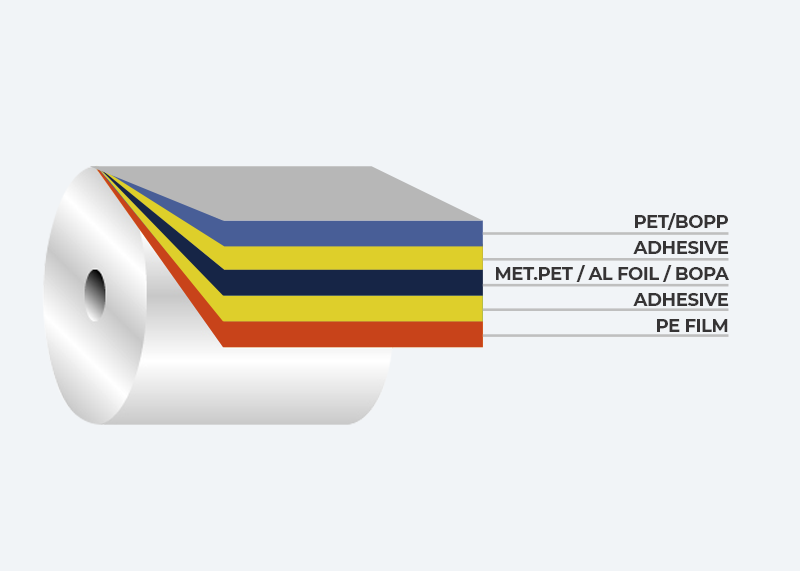
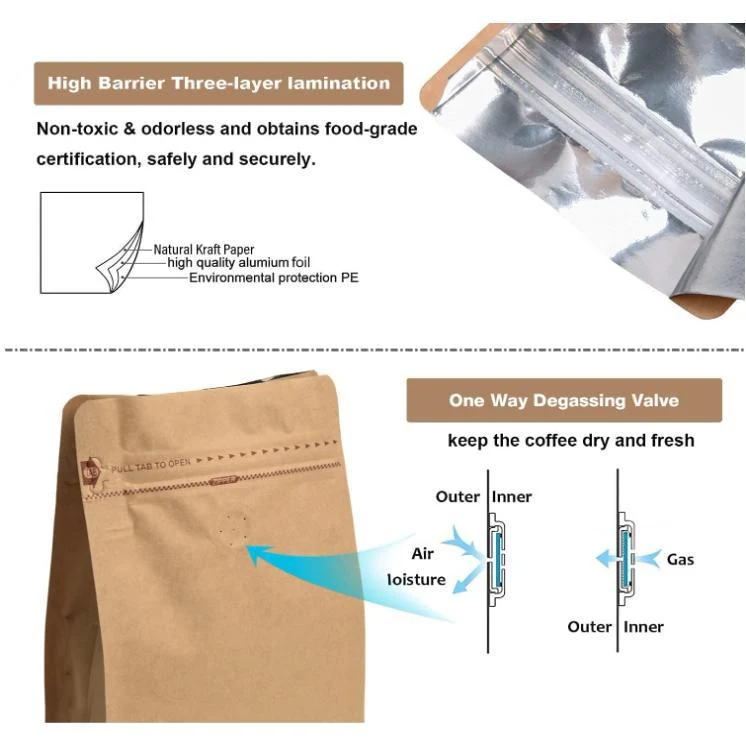
Make a short component list: body film or paper laminate, seal layer, zipper, valve, adhesive, ink and any label. Ask which items are included in the supporting assessment. An outer paper appearance does not reveal what is laminated inside. If the supplier changes a component after approval, ask whether the evidence still covers the revised pack.
Some suppliers provide a separate collection program. For example, Savor Brands describes a restricted return program for its participating customers and eligible bags. That is a specific program, not proof that all coffee bags belong in household recycling. Crystavo does not claim participation in that program.
Keep product protection in the decision
Compare candidates against the same coffee, filling process, storage conditions and intended distribution period. Request relevant barrier information and a finished-pack trial plan. Environmental evidence and coffee-protection evidence answer different questions; one cannot replace the other. Avoid promising a fixed freshness period from a material name.
For help reading a structure, see our multilayer pouch guide. Ask for the actual layer specification when comparing quotations, because similar-looking bags can use different constructions.
What to confirm before artwork approval
- Countries and retail channels covered by the claim.
- Complete material and component specification.
- Supporting reports or certificates matched to that specification.
- Collection instructions customers can realistically follow.
- Permission to use any certification mark.
- Who approves updated wording if the pack or destination changes.
Crystavo can discuss material options against your project requirements. Availability and any environmental claim must be confirmed for the selected construction; this article does not certify our entire range as recyclable or compostable. Share your target market and packaging needs so those checks are part of the discussion from the start.
Research notes
Sources & standards
- FTC: environmental claims and the Green Guides
- TUV AUSTRIA: industrial and home composting distinction
- Savor Brands: eligibility and handling rules for its return program
Technical references explain the decision framework. Final performance and compliance depend on the exact approved construction, test conditions, intended use and destination market.