Confirm what sits behind the paper
Request the complete layer structure and the applicable test evidence for the proposed material. Match it to the intended coffee, storage conditions and distribution route.
 Get a Quote
Coffee Bean Packaging
A natural kraft appearance backed by a coffee-ready barrier and seal layer.
Sizes & capacity: 100 g, 250 g, 500 g, 1 kg, and custom sizes
Use case
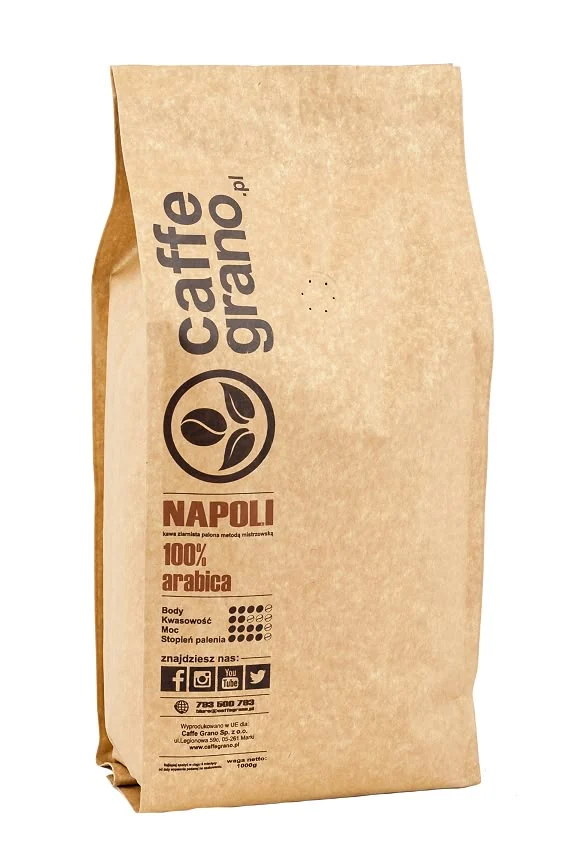
Kraft Coffee Bags use a visible paper layer over a complete laminate or seal structure selected for the project. The kraft appearance does not by itself identify the full bag material or support a recyclability claim.
Before you commit
Kraft describes the facing or visual direction; it does not by itself establish coffee barrier, food-contact suitability, recyclability or compostability. Review the full laminate for your market.
Review artwork and substrate →Request the complete layer structure and the applicable test evidence for the proposed material. Match it to the intended coffee, storage conditions and distribution route.
Compare colour, white-ink needs, readability and finish on a representative substrate. A screen mockup on white does not show how a kraft-facing laminate will print.
Send coffee type, net weight, bag format, quantity per design, valve or zipper needs, filling method and destination. Confirm material, sample route, artwork setup, lead time and shipping in the final quotation. Custom production starts from 10,000 pieces; available standard samples are free, with shipping confirmed separately.
Format details

The kraft layer gives the outside its familiar paper texture, while the inner film and sealant layers make up the rest of the pack. Those layers depend on the selected construction and should not be inferred from the brown surface. Folds, windows, valves, and closures interrupt the paper face, so their position changes how much room remains for a label or printed design. A kraft sample is especially useful for checking how the actual brown tone changes artwork colors.
Practical sequence
Decide whether the paper surface is part of the brand presentation.
Test the full bag so folds and closure sit around the real coffee.
Review color, opening, and clean sealing room on the chosen structure.
Select the kraft-facing grade, inner layers, pouch shape, print coverage, finish, closure, and optional window or valve.
Compare printed colors on the chosen kraft tone and inspect the inner construction, fold wear, closure, and seal.
A brand wants a kraft appearance but also needs its coffee protection and print areas reviewed. Ask for the complete outside-to-inside layer order; the word kraft identifies a visible paper-facing layer, not the whole construction or its end-of-life route. Approve color and rub behavior on the selected paper surface, then check the filled pouch, zipper, valve, and seal clearance. If an environmental statement is planned, match it to evidence for the complete pack and the destination market. Keep the wording conditional until those details are confirmed, and do not infer recyclability or compostability from appearance. Request evidence for the exact laminate and confirm whether the paper-facing layer suits the required print contrast, rub resistance, closure, and destination-market claim. Check color and rub resistance on the chosen paper surface.
Plan around this format
Select kraft when the tactile paper-facing appearance is part of the brand system, then approve the complete laminate separately. Fill the sample before choosing the final size because paper-facing material, folds, and a window or valve can change the usable artwork area.
Check color on the chosen kraft tone, rub and scuff appearance, zipper or tear access, and the clean seal area on the intended equipment. If the project has an environmental statement, record the exact layers and supporting evidence; the word “kraft” alone does not establish the recyclability or compostability of the complete pack.
Buying notes
Open the question that matches your next decision.
The listed size or capacity options are 100 g, 250 g, 500 g, 1 kg, and custom sizes. Confirm the project dimension or capacity, product dose where relevant, seal area, and filled or assembled dimensions before approving the artwork.
No. Kraft describes the visible paper layer; the complete laminate may include barrier and seal layers. Confirm the full structure and any recyclability or environmental claim against supporting evidence.
Send the product, target size or dose, current format, artwork status, quantity, destination, and preferred sample or quote route. Start with Kraft Paper/PE; Kraft Paper/VMPET/PE; Kraft Paper/PLA and use the checks below to frame the first discussion.
Choose with confidence
A kraft-facing bag can suit a natural visual style. Choose the paper appearance and the protective construction as two connected decisions, so the look supports the coffee inside.
See how samples are reviewedShare the coffee, fill weight and sales route. Review the complete layer construction, selected closure and filled size with the team. The brown or paper-facing appearance does not by itself describe the bag’s barrier or disposal route.
Check how your colours, fine text and any white ink appear on the selected paper-facing surface. Use a physical reference where colour or texture matters, and confirm the print method and finish before treating a screen image as the target.
Ask the standard sample to answer questions about feel, opening and approximate fit. For a custom order, keep the approved artwork and exact material direction with the quote. Request documentation for any food-contact or environmental statement you plan to print.
In practice
A paper-facing appearance needs a print review as well as a construction review.
Artwork reviewed on a bright monitor can look different on a warm kraft surface. Ask which proof represents the chosen paper tone, ink coverage and finish.
Check small lettering, pale colors and areas intended to look white, rather than judging only the largest logo. If a label is part of the design, apply it to a sample and examine the edge, contrast and adhesion after normal handling.
Before adding a disposal statement, identify the body structure and all selected components, including the closure, valve and label. Ask which evidence covers that exact combination and which destination it applies to.
A brown surface can communicate a natural visual identity without supporting a claim about the complete package. If the evidence is not yet available, leave claim artwork open and resolve the wording before printing.
When several coffees share one kraft-facing design, reserve an obvious place for changing origin, process or roast information. Test the smallest label with the longest real product name.
A system that looks balanced with a short blend name can become crowded with a detailed single-origin description. Compare the complete range together, using filled packs, so every coffee remains easy to identify.
Product enquiry
Share your coffee, fill weight, planned quantity and destination. Ask about fit, samples or pricing; we will review the details needed for a useful quotation.
Custom production usually starts from 10,000 pieces. Available standard samples are free; shipping is confirmed separately.