Inspect the filled edges
Check the filled shape, corner and edge seals, opening and top-seal clearance using representative coffee. Specify the handling and carton route before approving the material.
 Get a Quote
Coffee Bean Packaging
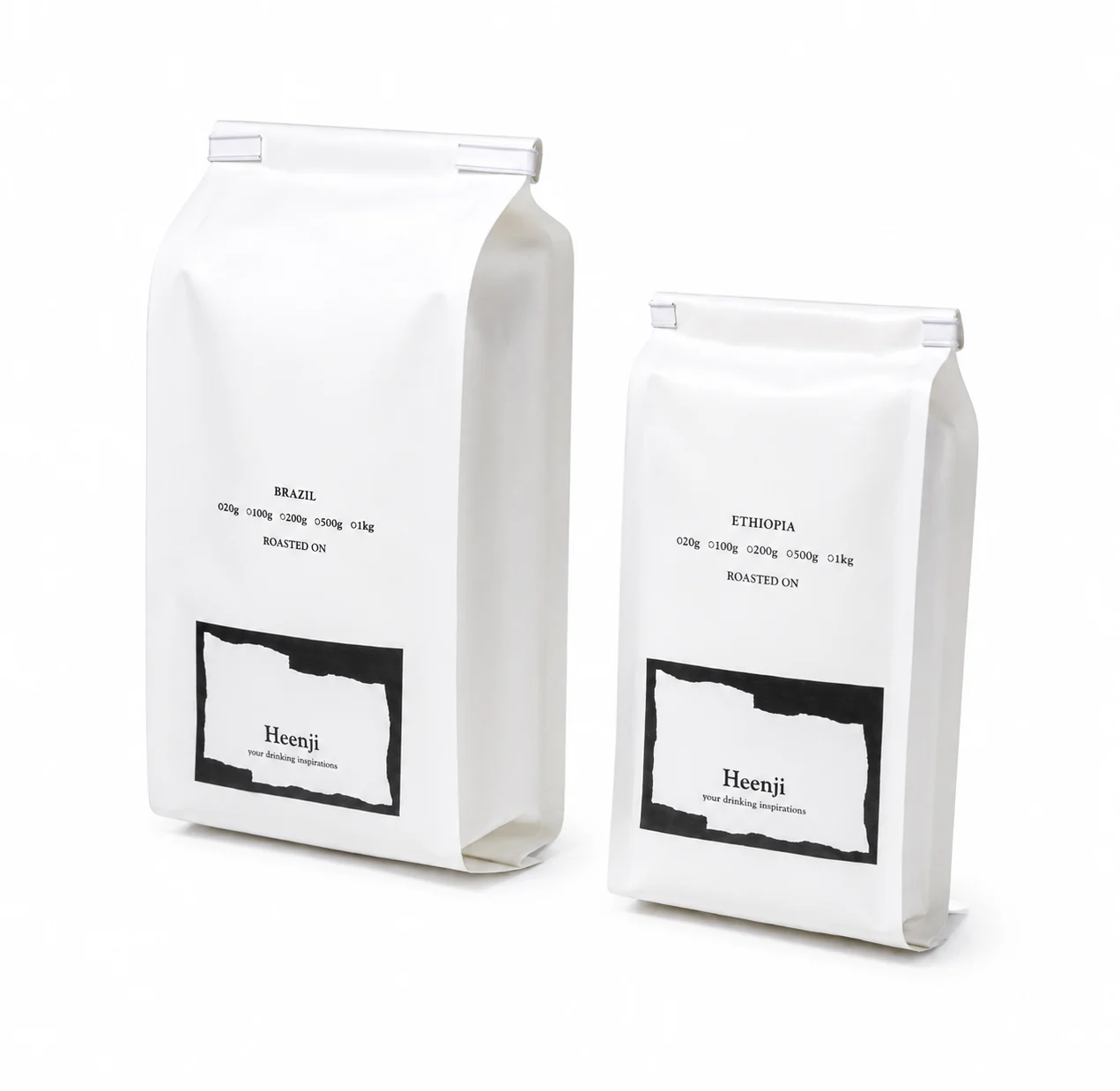
Four sealed edges create a structured profile for larger fills.
Sizes & capacity: 500 g, 1 kg, 2 kg, 5 kg, and custom sizes
Use case
Quad Seal Coffee Bags combine four sealed edges with a square profile for larger roasted-coffee formats. Confirm opening width, seal strength, case packing, and transport handling with the filled bag.
Before you commit
Compare a quad-seal format when reinforced edge definition and controlled panels fit the project. The edge seals form part of the structure and must be included in the layout review.
Prepare panel artwork →Check the filled shape, corner and edge seals, opening and top-seal clearance using representative coffee. Specify the handling and carton route before approving the material.
Ask for the construction-specific dieline after confirming size. Keep critical copy and codes clear of folds and seal zones, and review every panel on a filled sample.
Send coffee type, net weight, bag format, quantity per design, valve or zipper needs, filling method and destination. Confirm material, sample route, artwork setup, lead time and shipping in the final quotation. Custom production starts from 10,000 pieces; available standard samples are free, with shipping confirmed separately.
Format details

Four vertical seals give this bag a more squared body than a simple side-gusset pouch. The panels stay visually distinct, and the filled pack can present a structured block for wholesale or larger retail formats. Its shape is made by the corner seams, so artwork needs to account for the transitions rather than treating every face as one flat rectangle. The format should be compared after filling because the coffee can push the panels and corners outward.
Practical sequence
Fill through the open top while keeping coffee clear of the sealing band.
Set the four corners and inspect each seam on the full pack.
Orient the bag in the case and check the corners are not compressed.
Plan face widths, corner depth, top closure, valve or zipper, print layout, and case orientation together.
Look at all four seams, opening width, filled profile, and case fit using the planned fill weight.
A roaster wants several origins in one squared pouch family. Decide whether each design shares the same dimensions, closure, and valve position before grouping quantities. A four-panel bag can create a clear display face, but panel folds and side seams affect where copy, barcode, and variable information can sit. Trial the smallest and largest planned fills, then inspect the four edges, top seal, filled stance, and case compression. Keep the dieline revision and quantity attached to each SKU; a common visual system does not mean every coffee should use one untested fill specification. Check the largest fill for corner pressure and the smallest for a stable base; one shared dieline does not prove both sizes will stand or pack alike. Check panel copy against the actual fold and seam locations.
Plan around this format
Use a quad-seal direction when a structured profile and larger fill route justify four sealed edges. The first sample should answer practical questions: can the filling equipment load the opening cleanly, do the four seals remain even at the planned weight, and does the finished bag fit the case without corner compression?
Check the top seal, zipper or valve clearance, filled stance, and handling points after the bag has travelled through the intended packing steps. Keep the artwork aligned to the four-panel geometry and document the case orientation before production release.
Buying notes
Open the question that matches your next decision.
The listed size or capacity options are 500 g, 1 kg, 2 kg, 5 kg, and custom sizes. Confirm the project dimension or capacity, product dose where relevant, seal area, and filled or assembled dimensions before approving the artwork.
Four sealed edges create a structured profile for larger fills, so confirm opening width, seal strength, case packing, and transport handling with the actual filled bag.
Send the product, target size or dose, current format, artwork status, quantity, destination, and preferred sample or quote route. Start with PET/AL/PE; MOPP/AL/PE; PET/VMPET/PE and use the checks below to frame the first discussion.
Choose with confidence
Choose a quad-seal bag when defined edges and side panels suit your range. Check the filled appearance and packing routine before investing in the final artwork.
See how samples are reviewedUse your coffee to check the intended net weight, filled shape and loading opening. Compare the corner seams with your filling and case-packing routine so the visual shape also works in daily handling.
Place the design on the confirmed panel layout. Review how text meets the sealed edges, where codes will be applied and how any selected closure affects the front face. A filled reference helps reveal awkward folds.
Review the seams, corners, filled presentation and closure with the agreed sample route. Record the dimensions, finish and approval reference with your order so a repeat purchase starts from a clear specification.
In practice
Larger fills make handling and carton layout part of the product specification.
For wholesale or foodservice coffee, test how a full pack is lifted from a case, opened and poured into the intended container or grinder hopper. Compare that routine with the number of bags handled in a shift.
An attractive squared profile is useful only when staff can work with it comfortably. Ask the packing team to assess the opening and seal layout before the design team commits to a large top-panel graphic.
Arrange filled bags in the intended case and inspect the contact points between corners, case walls and neighboring packs. Try the proposed orientation and count without forcing the final bag into place.
Record the case dimensions and divider or protective arrangement if one is needed. This is a practical fit review, not a substitute for an agreed transport assessment; the distribution route determines what further testing is appropriate.
Four defined edges can organize a bold front face and secondary panels, but the seam areas remain functional. Ask for a dieline showing the working panels and seal zones, then place coffee identity and variable codes where they stay legible after filling.
When comparing quotations, keep the exact body dimensions and selected closure the same. Otherwise a lower price may describe a materially different pack.
Product enquiry
Share your coffee, fill weight, planned quantity and destination. Ask about fit, samples or pricing; we will review the details needed for a useful quotation.
Custom production usually starts from 10,000 pieces. Available standard samples are free; shipping is confirmed separately.