
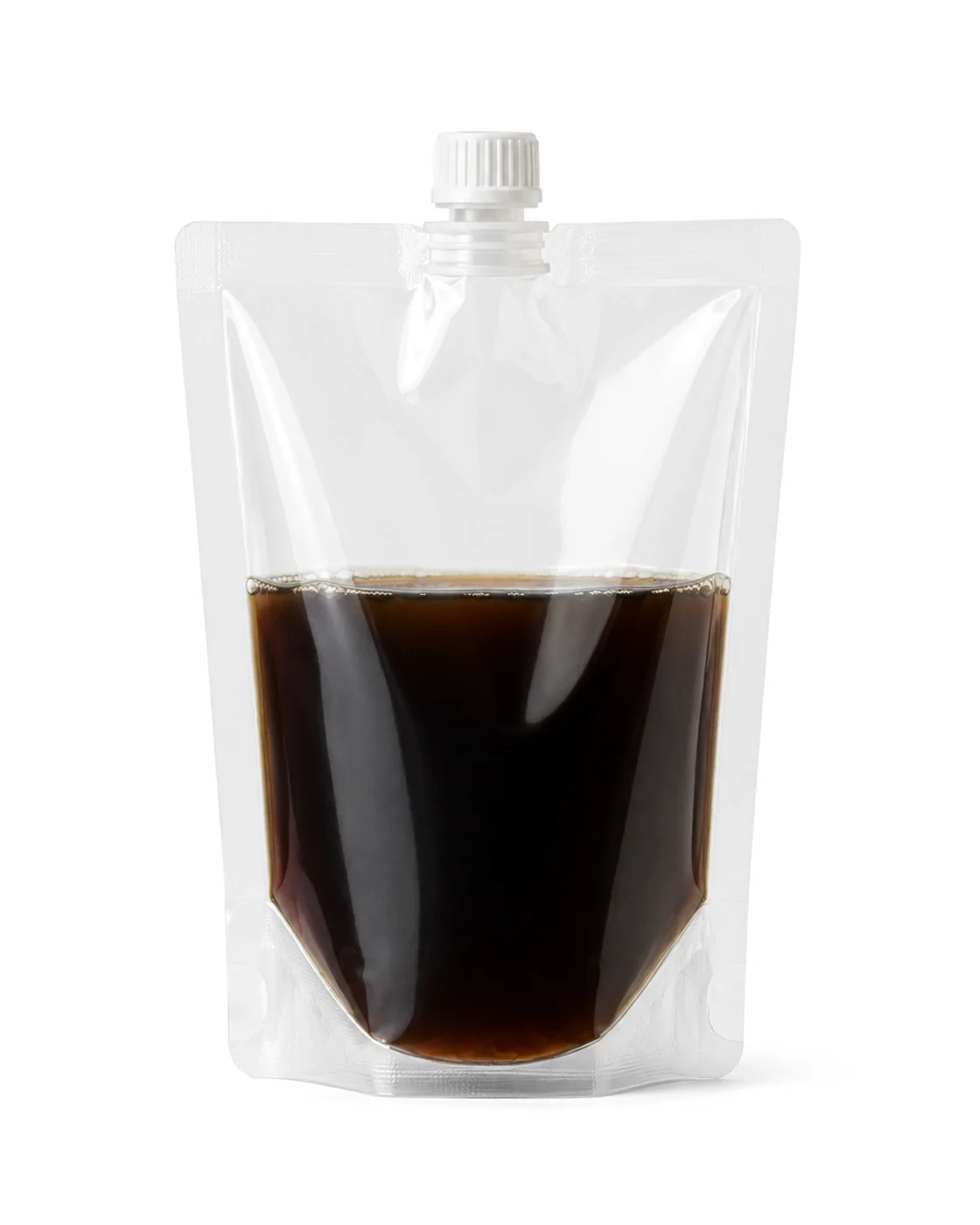
 Ready-to-Drink & Liquid Coffee PackagingSpout PouchA resealable, pourable pouch for ready-to-drink coffee and concentrates.View specifications →
Coffee packaging category
Ready-to-Drink & Liquid Coffee Packaging
Filling process and treatment come before pouch material.
Product range
Compare formats for this coffee.
Technical review for coffee concentrate, cold brew base, syrup, and other liquid coffee projects. Open a product for its specifications, use case, and approval notes.
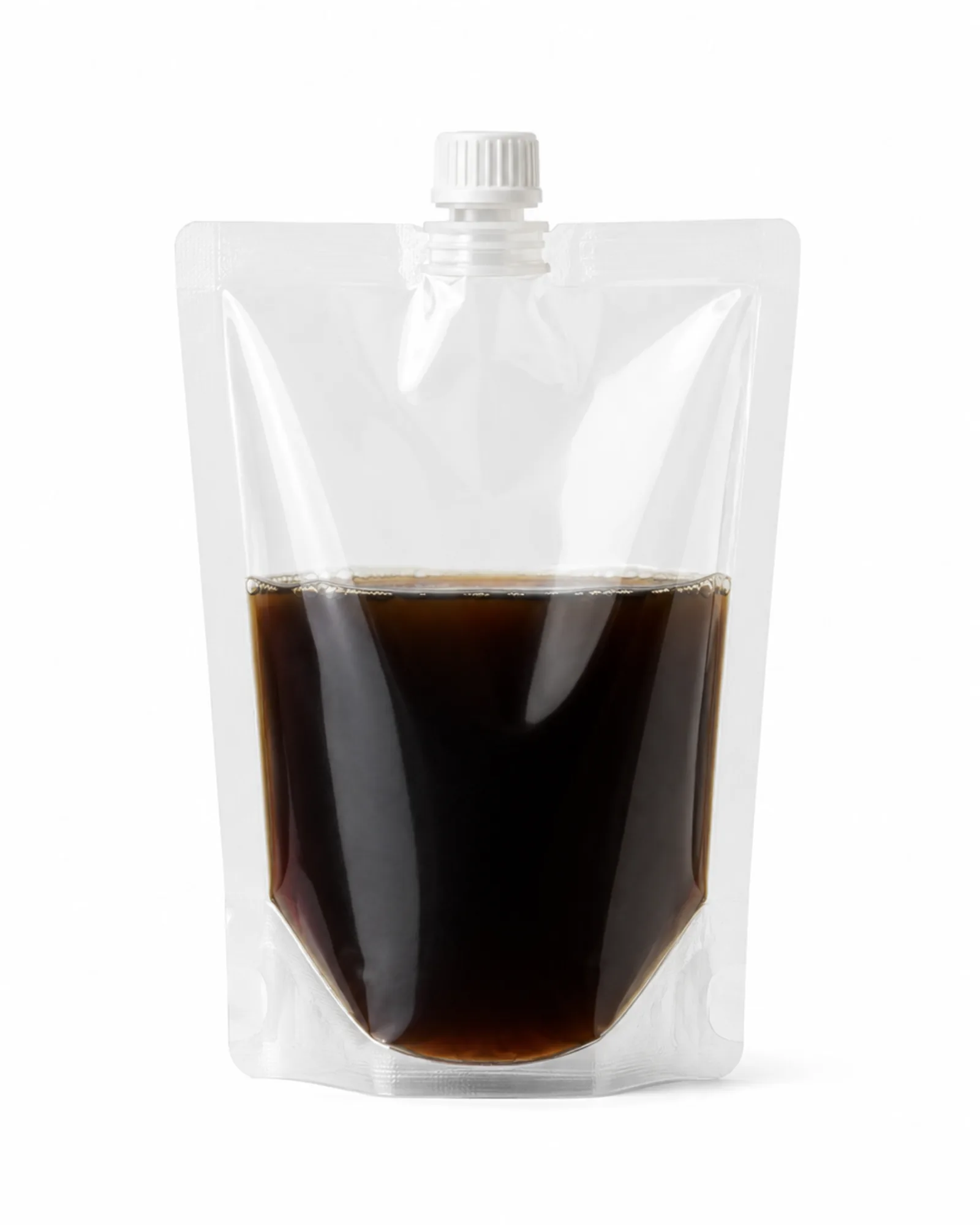
Ready-to-Drink & Liquid Coffee PackagingSpout PouchA resealable, pourable pouch for ready-to-drink coffee and concentrates.View specifications →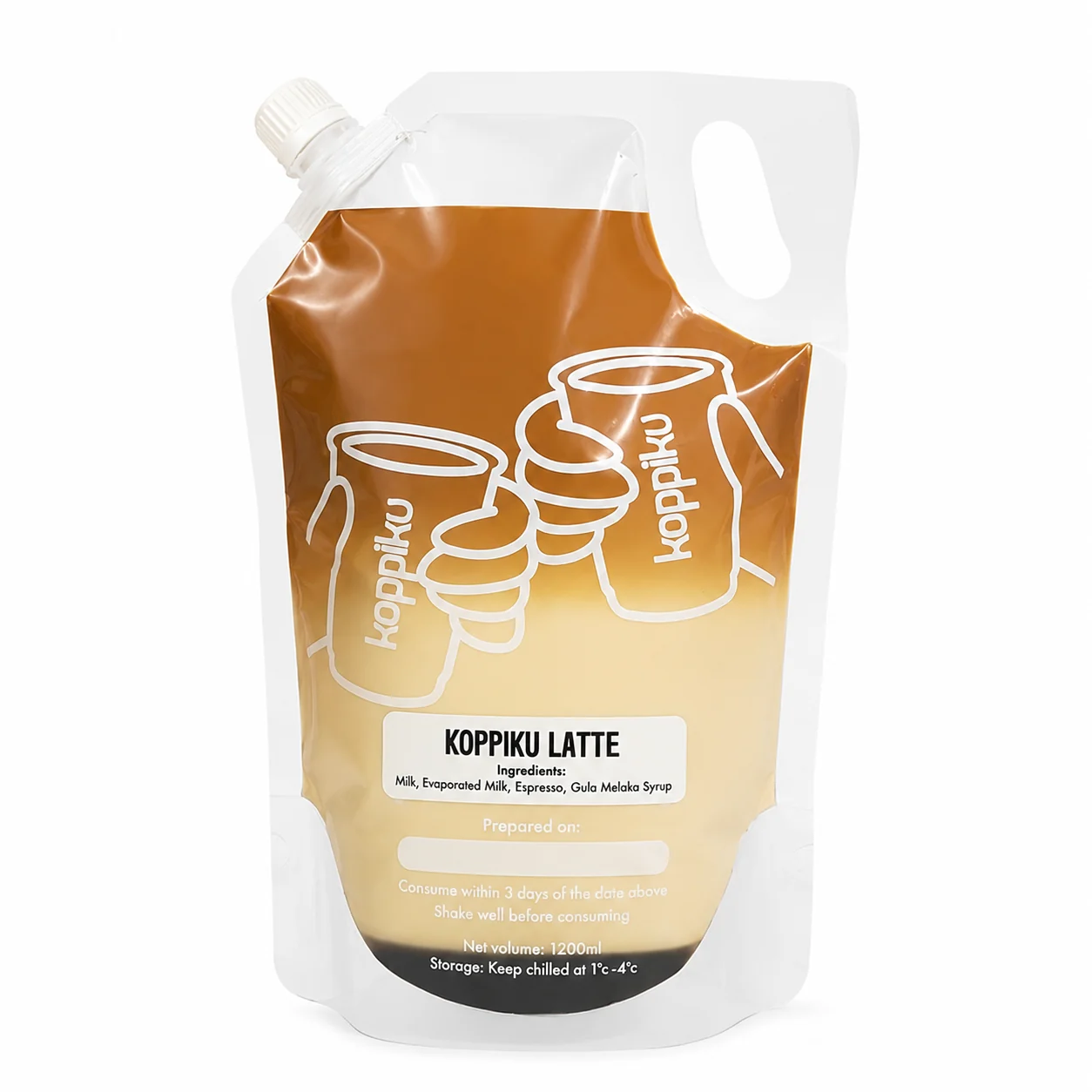 Ready-to-Drink & Liquid Coffee PackagingRetort PouchA flexible liquid format evaluated against a specified retort process.View specifications →
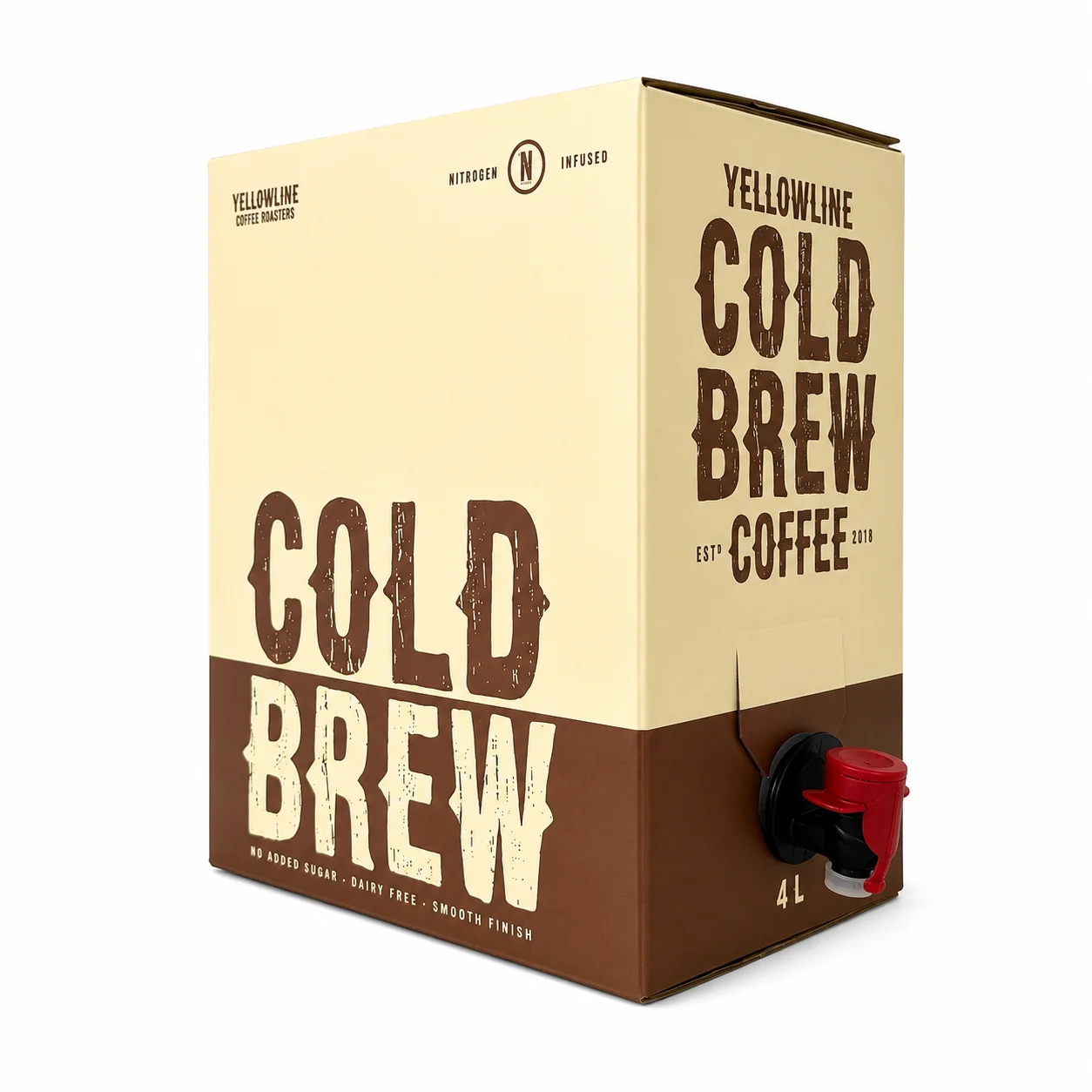 Ready-to-Drink & Liquid Coffee PackagingBag-in-Box PackagingA barrier liner and outer carton system for larger coffee concentrate and foodservice volumes.View specifications →
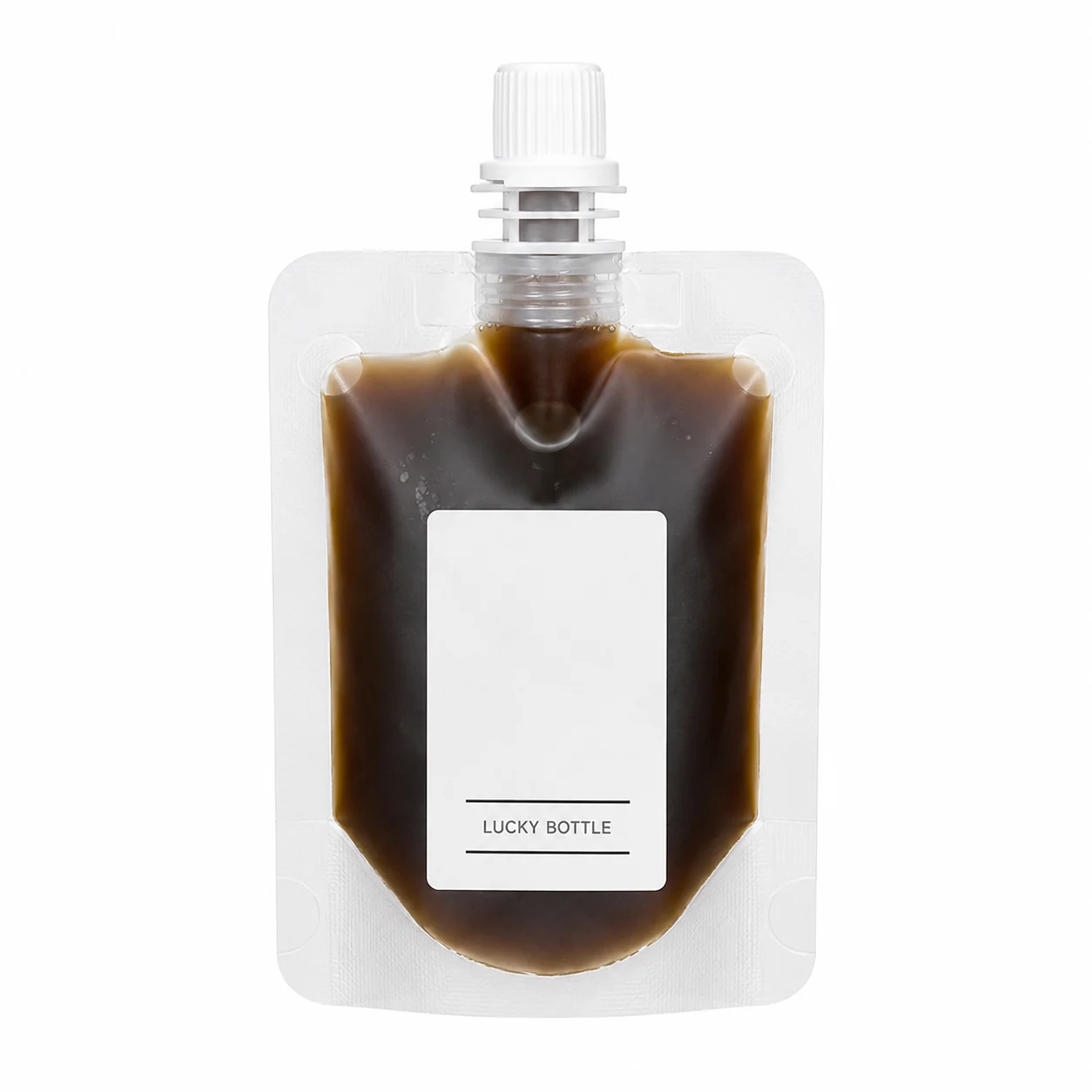 Ready-to-Drink & Liquid Coffee PackagingCoffee Concentrate PackagingFlexible high-barrier formats designed around concentrated flavor, dosing, and distribution.View specifications →
Format comparison
Choose a liquid coffee format
Packaging in context
Compare liquid package shapes after the formulation, fill or treatment process, dispensing method, and distribution route are known.
| Format | What it contains | What the buyer decides |
|---|---|---|
| Spout pouch | Flexible pouch with a fitment for pouring or dispensing. | Formulation compatibility, process, fitment and leak checks. |
| Retort pouch | A pouch route considered for a defined thermal process. | Validated process, structure, seal and post-process inspection. |
| Bag-in-box | A flexible liner used with an outer carton and dispensing fitment. | Liner volume, tap use, carton support and distribution. |
| Coffee concentrate | A product route that may use a pouch, liner or another compatible pack. | Concentration, dilution routine, fill process and dispensing. |
Choose with confidence
How do liquid coffee formats differ by process?
Cold fill, hot fill, pasteurization, retort, and aseptic routes can require different film, sealant, fitment, and validation decisions. Confirm formulation, fill temperature or treatment, dispensing, leak checks, and distribution before fixing a liquid format.
Compare a spout pouch, retort pouch, bag-in-box, or concentrate route only after process and dispensing are written down. The filled sample should show fitment access, cap or tap use, leak resistance, panel stress, headspace, and shipping orientation. For a treated product, record the process range and inspect the pack before and after treatment; for a repeat-use pack, observe the customer routine after opening. Keep the liner, carton, fitment, seal route, fill volume, and distribution condition in one record so shape is never treated as proof of compatibility. Record customer handling steps, inspection owner, and any open process question beside each sample condition.
- Start with the product, treatment, fill temperature, fitment, and destination.
- Review compatibility, seal integrity, leak resistance, and distribution handling together.
- Do not infer a process capability from a pouch shape or material name alone.
Related resource
Technical review first
Start with the category brief and include treatment, fitment, and destination.
Open the guide →Choose with confidence
Is it right for you?
For liquid coffee, buyers need confidence in filling, storage and dispensing. Share the product and process first so the pouch or system can be reviewed with its fitment and equipment.
See how samples are reviewedWill it suit my coffee?
Provide the formulation, volume, filling method, any treatment, storage conditions and dispensing setup. Confirm the supplied components and compatibility checks with the responsible partners before selecting the final pack.
Can I use my own design?
Make preparation, serving and storage information readable on the actual filled pack. Keep the artwork tied to the selected film, closure and fitment so the printed design matches the agreed system.
What can a sample confirm?
Agree the product, line, closure and handling trials needed for the process and destination. Keep the results and approved reference with the order, including the components, documents and shipping scope covered by the quote.
In practice
Start with how it is handled.
The filling process and use routine decide which liquid format deserves a trial.
Describe the product and route
Share the formulation, fill process, intended storage conditions and distribution route with the responsible packaging and processing teams. Ready-to-drink coffee and concentrate can require different serving instructions and pack sizes.
Packaging format alone does not establish food safety, shelf life or suitability for ambient storage. Ask the qualified team responsible for the product to define the assessment needed for the selected package and process.
Follow the product after opening
Map the first opening, a normal serving and the next use. Check how the pack is held, whether dispensing is controlled and whether the important instructions remain visible in its working position.
Use the actual intended filled volume when reviewing handling. Storage and use-after-opening wording should come from the validated product instructions, not from a generic statement about the pouch or closure.
Keep components under control
Document the body, film, fitment, cap or tap, and secondary pack references used in the approved trial. Identify which party is responsible for filling and closing the system.
Before accepting a component substitution, ask whether it affects the approved process or equipment fit. Keep carton orientation, lot identification and receiving checks with the same brief so procurement, filling and warehouse teams work from one agreed version.
Planning example
When a café refill and a retail pour need different systems
A coffee company wants a small retail concentrate pouch and a larger café refill. Start by separating the product and process: formulation, concentration, viscosity, fill temperature or treatment, sanitation route, serving method, and storage after opening. A small pack may need controlled pouring and a clear single-use opening; a bulk system may need a tap, connector, carton support, and space at the dispensing station. Test the filled pack in the actual routine, including leak checks, fitment access, and what happens after first opening. Retort, pasteurization, hot fill, and aseptic routes require a route-specific technical review; pouch shape alone does not establish process suitability. Keep each capacity and fitment linked to its own process record.
Category enquiry
What would you like to resolve?
Start with the liquid, volume, filling or treatment process and destination. The team can then review which pack, fitment and equipment questions need resolving.