Name the material accurately
Distinguish aluminum foil from metallized film in the quotation. Record layer order, nominal thickness and the test conditions attached to any proposed barrier figures.
 Get a Quote
Coffee Bean Packaging
An opaque high-barrier structure for roasted coffee beans and extended distribution.
Sizes & capacity: 100 g, 250 g, 500 g, 1 kg, and custom sizes
Use case
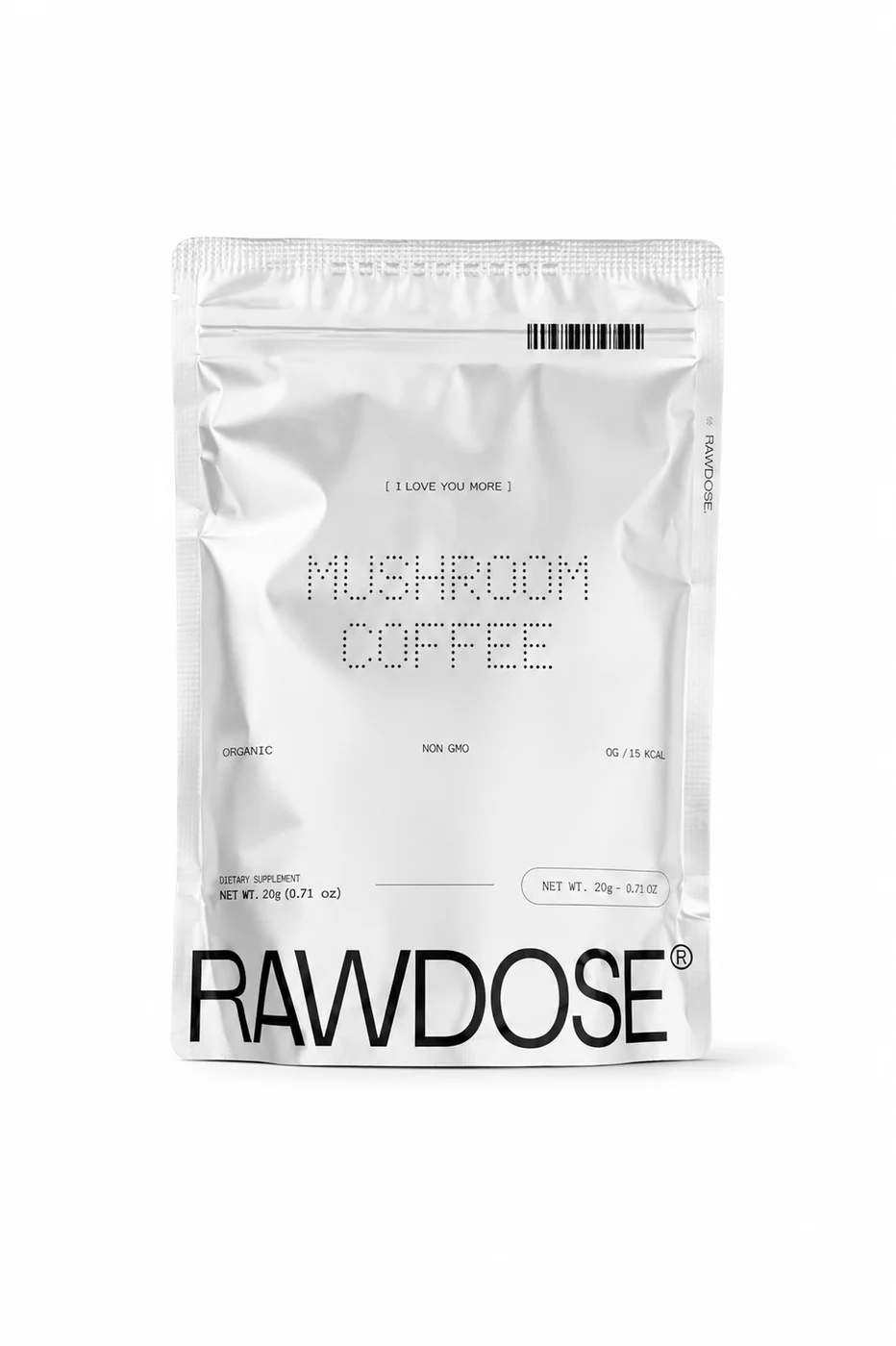
Aluminum Foil Coffee Bags provide an opaque laminate direction for roasted coffee where light, oxygen, moisture, and outside-odor exposure need review. Validate the finished laminate, seals, valve, zipper, and distribution route as one system.
Before you commit
An aluminum-foil layer is one part of a coffee packaging structure. Ask for the complete laminate and relevant evidence, then review the finished bag, valve if used and seals together.
Plan the filled-pack checks →Distinguish aluminum foil from metallized film in the quotation. Record layer order, nominal thickness and the test conditions attached to any proposed barrier figures.
Review sealing, handling, valve installation where applicable and the distribution route. A material report alone does not establish the shelf life of every packed coffee.
Send coffee type, net weight, bag format, quantity per design, valve or zipper needs, filling method and destination. Confirm material, sample route, artwork setup, lead time and shipping in the final quotation. Custom production starts from 10,000 pieces; available standard samples are free, with shipping confirmed separately.
Format details

An aluminum-foil bag is a flexible laminate with an outer printable film, a foil layer, and an inner sealant layer in the agreed construction. The foil is hidden inside the finished pack; the outside appearance alone cannot identify the layer stack. The body can be made in the selected pouch shape, with a valve or closure only when the project calls for one. Matching the laminate, seal, and filling process matters as much as choosing the bag outline.
Practical sequence
Agree the exact layer order and pouch shape with the project partner.
Run the chosen bag through the intended filling and closure steps.
Review seal, folds, valve or zipper if selected, and case handling.
Choose the complete laminate, thickness, bag style, print, finish, valve, zipper, and any opening feature.
Check the actual construction record, seal appearance, fold stress, closure operation, and filled-pack handling. Compare the sample to the agreed layer order and confirm the finished bag can pass through the intended packing and case-loading steps.
A coffee brand is comparing two opaque laminates for export distribution. First write down the exact layer order and nominal thickness for each quotation. Then compare OTR or WVTR reports only when the specimen and stated conditions match the proposed production construction. Fill representative bags and check flexing, valve installation, zipper operation, top seals, and carton handling. A foil layer can support a high-barrier direction, but it does not prove a shelf-life period or compensate for a weak seal. Keep the target route, storage assumptions, and required verification separate from a material name. Compare the proposed pouch with the required distribution route and agreed test conditions; a material upgrade should answer a defined protection need rather than a color preference. Tie results to the exact layer order and specimen conditioning.
Plan around this format
A foil direction is a route decision for projects that need an opaque structure to be reviewed against light, moisture, oxygen, outside odours, and distribution conditions. Confirm the exact PET/AL/PE or other approved layer order, then run a filled sample through the planned sealing and packing steps.
Check valve installation, zipper operation, fold stress, top-seal width, and carton handling; a foil layer does not replace a sound seal or a suitable filling process. Keep the report reference tied to the approved construction and avoid describing every silver-looking pack as aluminum foil.
Buying notes
Open the question that matches your next decision.
The listed size or capacity options are 100 g, 250 g, 500 g, 1 kg, and custom sizes. Confirm the project dimension or capacity, product dose where relevant, seal area, and filled or assembled dimensions before approving the artwork.
Foil can block light and support a high-barrier direction, but the finished pack still depends on laminate, seals, valve, filling, and handling. Validate the complete structure against the target route.
Send the product, target size or dose, current format, artwork status, quantity, destination, and preferred sample or quote route. Start with PET/AL/PE; MOPP/AL/PE and use the checks below to frame the first discussion.
Choose with confidence
A foil-laminate bag is one route for protecting and presenting coffee. Review the whole pack with your fill, closure and distribution needs before choosing the final construction.
See how samples are reviewedShare the roast or grind, fill weight and planned route to market. Review the foil laminate, seals and any selected valve as one pack, then check filled dimensions. A material name alone is not a shelf-life commitment.
Confirm which surfaces are printed, whether a metallic effect or white layer is intended and how the finish should look. Place your design on the final dieline with space for seals, codes and selected features.
Use a sample for filled fit, opening and handling checks. Agree which performance documents or filled-pack trials are needed for your project, then tie the approved construction and artwork to the order.
In practice
A silver surface is not a complete material specification.
Ask quotations to name the complete layer construction and selected features. A true aluminum foil layer and a metallized film are different directions even when photographs look similar.
Review the proposed structure against the product, filling process and distribution plan. If barrier results are supplied, keep the units, test conditions and specimen construction with the report so a purchasing team can compare evidence rather than a bare performance number.
A flat material sample does not show every stress created during forming, filling and transport. Review the assembled bag around folds, edges and any installed valve or zipper, then agree the relevant finished-pack checks with the supplier and filling partner.
Keep examples from the actual trial. Avoid creating a shelf-life promise from the word foil; product trials and the complete packing process still matter.
An opaque pack gives the artwork a consistent background and keeps the contents out of view. If customers need to inspect the beans, consider whether a printed product photograph or other approved communication can meet that need without changing the barrier design.
A window changes the construction discussion and should not be added as a purely decorative edit after the bag has been approved.
Product enquiry
Share your coffee, fill weight, planned quantity and destination. Ask about fit, samples or pricing; we will review the details needed for a useful quotation.
Custom production usually starts from 10,000 pieces. Available standard samples are free; shipping is confirmed separately.