
Whole Bean vs Ground Coffee Packaging: What Changes in the Specification?
A specification comparison for whole bean and ground coffee covering gas release, residual oxygen, barrier, fill volume, valves, seals and validation.
5 min readRead
 Get a Quote
Crystavo journal
Practical answers on bag sizes, materials, printing and ordering.
Choose your next answer
Go straight to the guide that matches the next step in your project.
Resources
21 articles
A specification comparison for whole bean and ground coffee covering gas release, residual oxygen, barrier, fill volume, valves, seals and validation.
Read the panels, protect the functional areas, and hand over one controlled artwork revision with a practical print checklist.
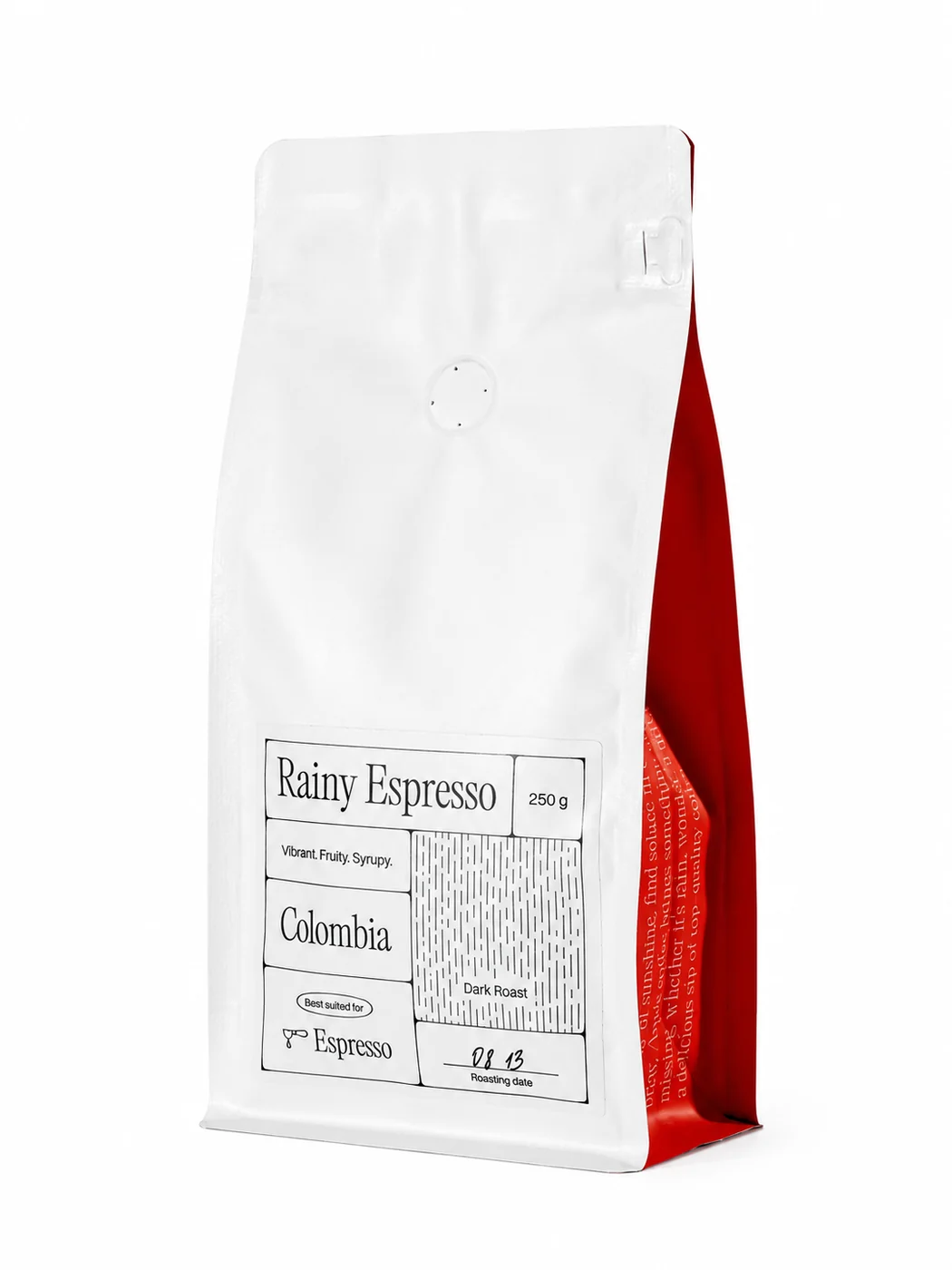
A realistic way to plan Crystavo's 10,000-piece mass-production MOQ across permanent SKUs, seasonal coffees, labels, artwork and repeat-order inventory.
A worked specification showing how coffee, fill volume, distribution, laminate, valve, seal and verification become one production-ready bag.

A layer-by-layer explanation of print webs, adhesive, barrier layers and sealants, including what can fail when one layer is specified in isolation.
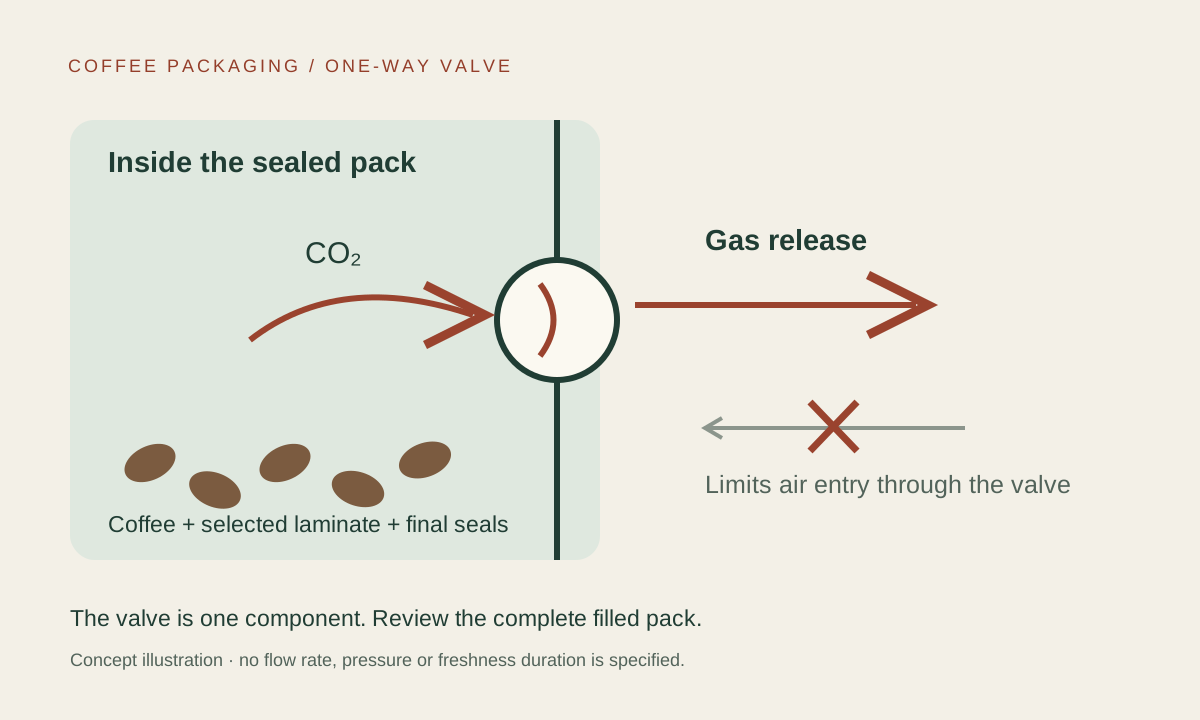
A practical valve decision process based on coffee state, roast, packing time, headspace, laminate, filling and filled-pouch verification.
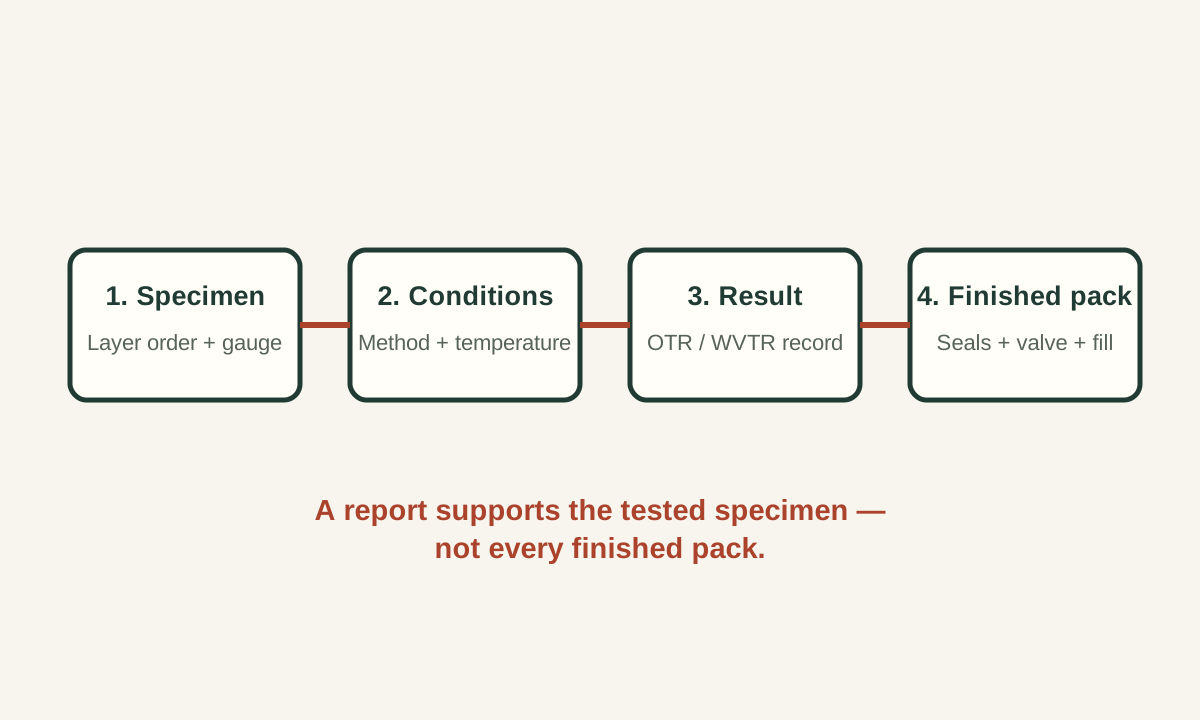
A buyer-focused verification plan for barrier reports, seals, laminate identity, filled packs, artwork and repeat-order records.
A practical comparison of metallized film and aluminum foil based on barrier priority, distribution, flexing, appearance and evidence.
A filled-pack audit for recognition, range navigation, print control, barcode use and repeat purchase before a coffee launch.
Use the journal by decision
Choose a format, confirm the filled fit, prepare artwork, then review the evidence that applies to your market.
Compare the bag, container, filter, sachet, or liquid system around the coffee and how it will be filled or served.
Fill with the intended coffee; confirm actual dimensions, headspace, opening, and sealing room.
Align the dieline, artwork, material direction, chosen features, and quantity in one project brief.
Match each performance or environmental statement to its tested structure, conditions, and destination market.
Planning a coffee package?